

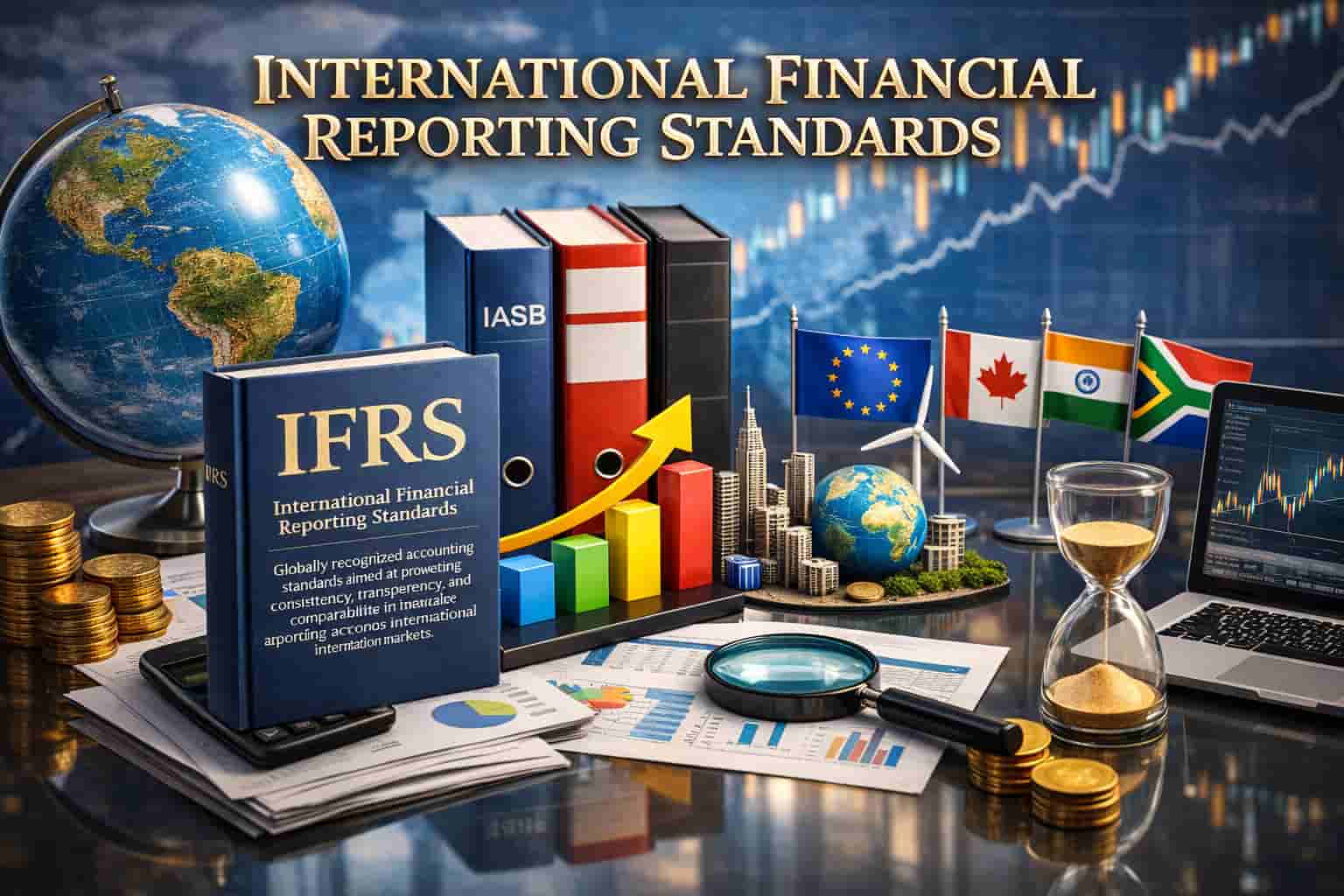
ស្តង់ដាររបាយការណ៍ហិរញ្ញវត្ថុអន្តរជាតិ (IFRS) គឺជាសំណុំគោលការណ៍គណនេយ្យដែលទទួលស្គាល់ជាសកល ដែលត្រូវបានរចនាឡើងដើម្បីលើកកម្ពស់ភាពស៊ីសង្វាក់គ្នា តម្លាភាព និងភាពអាចប្រៀបធៀបបាននៅក្នុងរបាយការណ៍ហិរញ្ញវត្ថុនៅទូទាំងទីផ្សារអន្តរជាតិ។ IFRS ដែលចេញដោយក្រុមប្រឹក្សាស្តង់ដារគណនេយ្យអន្តរជាតិ (IASB) ផ្តល់នូវភាសាគណនេយ្យទូទៅដែលប្រើប្រាស់ដោយក្រុមហ៊ុនសាធារណៈនៅក្នុងយុត្តាធិការចំនួន 168 រួមទាំងប្រទេសសហភាពអឺរ៉ុបទាំងអស់ និងសេដ្ឋកិច្ចធំៗជាច្រើនដូចជាកាណាដា ឥណ្ឌា និងអាហ្វ្រិកខាងត្បូង។ IFRS ដែលត្រូវបានណែនាំក្នុងឆ្នាំ 2001 ដើម្បីជំនួសស្តង់ដារគណនេយ្យអន្តរជាតិ (IAS) ចាស់ៗ មានគោលបំណងបង្កើនភាពច្បាស់លាស់នៃរបាយការណ៍ហិរញ្ញវត្ថុ ពង្រឹងទំនុកចិត្តរបស់វិនិយោគិន និងបង្កើនប្រសិទ្ធភាពនៃទីផ្សារមូលធនសកល។
លក្ខណៈពិសេសសំខាន់មួយនៃ IFRS គឺវិធីសាស្រ្តផ្អែកលើគោលការណ៍របស់វា ដែលផ្តល់នូវភាពបត់បែនក្នុងរបៀបដែលក្រុមហ៊ុនអនុវត្តស្តង់ដារគណនេយ្យបើប្រៀបធៀបទៅនឹងគោលការណ៍គណនេយ្យដែលទទួលយកជាទូទៅ (GAAP) ដែលផ្អែកលើច្បាប់ច្រើនជាង ដែលប្រើជាចម្បងនៅសហរដ្ឋអាមេរិក។ ភាពខុសគ្នារវាង IFRS និង GAAP អាចប៉ះពាល់ដល់លទ្ធផលហិរញ្ញវត្ថុ ដូចជាការទទួលស្គាល់ប្រាក់ចំណូល ការព្យាបាលការចំណាយ និងការវាយតម្លៃសារពើភ័ណ្ឌ - ជាពិសេស IFRS ហាមឃាត់ការប្រើប្រាស់វិធីសាស្រ្តសារពើភ័ណ្ឌចូលចុងក្រោយចេញមុន (LIFO)។ ខណៈពេលដែលសហរដ្ឋអាមេរិក គណៈកម្មការមូលបត្រ និងផ្សារហ៊ុន (SEC) មិនទាន់បានអនុម័ត IFRS នៅឡើយទេ ខ្លួននៅតែបន្តវាយតម្លៃពីរបៀបដែលគោលការណ៍ IFRS អាចបំពេញបន្ថែមរបាយការណ៍ហិរញ្ញវត្ថុរបស់សហរដ្ឋអាមេរិក។ ទោះបីជាយ៉ាងនេះក្តី IFRS នៅតែជាក្របខ័ណ្ឌសកលលេចធ្លោ ដែលគាំទ្រដល់ការវិនិយោគឆ្លងដែន និងការវិភាគហិរញ្ញវត្ថុ។
IFRS តម្រូវឱ្យក្រុមហ៊ុនរៀបចំរបាយការណ៍ហិរញ្ញវត្ថុស្នូល រួមទាំងរបាយការណ៍ស្ថានភាពហិរញ្ញវត្ថុ របាយការណ៍ប្រាក់ចំណូលទូលំទូលាយ របាយការណ៍នៃការប្រែប្រួលភាគហ៊ុន និងរបាយការណ៍លំហូរសាច់ប្រាក់ រួមជាមួយនឹងការបង្ហាញលម្អិតអំពីគោលនយោបាយគណនេយ្យ។ តម្រូវការទាំងនេះជួយធានាថាព័ត៌មានហិរញ្ញវត្ថុត្រូវបានបង្ហាញយ៉ាងស៊ីសង្វាក់គ្នា និងមានតម្លាភាព ដែលអនុញ្ញាតឱ្យមានការប្រៀបធៀប "ផ្លែប៉ោមទៅផ្លែប៉ោម" ដែលមានអត្ថន័យរវាងក្រុមហ៊ុននានានៅទូទាំងពិភពលោក។ នៅទីបំផុត IFRS ដើរតួនាទីយ៉ាងសំខាន់ក្នុងហិរញ្ញវត្ថុសកលដោយលើកកម្ពស់ទំនុកចិត្ត ការកែលម្អភាពអាចប្រៀបធៀបបាន និងការគាំទ្រដល់ការសម្រេចចិត្តដោយមានព័ត៌មានដោយវិនិយោគិន អ្នកនិយតករ និងអ្នកពាក់ព័ន្ធផ្សេងទៀត។
Understanding of International Financial Reporting Standards (IFRS)
International Financial Reporting Standards (IFRS) are a globally recognized set of accounting principles designed to promote consistency, transparency, and comparability in financial reporting across international markets. Issued by the International Accounting Standards Board (IASB), IFRS provide a common accounting language used by public companies in 168 jurisdictions, including all European Union countries and many major economies such as Canada, India, and South Africa. Introduced in 2001 to replace the older International Accounting Standards (IAS), IFRS aims to enhance the clarity of financial statements, strengthen investor confidence, and improve the efficiency of global capital markets.
A key feature of IFRS is its principles-based approach, which offers flexibility in how companies apply accounting standards compared to the more rules-based Generally Accepted Accounting Principles (GAAP) used primarily in the United States. Differences between IFRS and GAAP can affect financial results, such as revenue recognition, expense treatment, and inventory valuation most notably, IFRS prohibits the use of the Last In, First Out (LIFO) inventory method. While the U.S. The Securities and Exchange Commission (SEC) has not adopted IFRS, it continues to assess how IFRS principles might complement U.S. financial reporting. Despite this, IFRS remains the dominant global framework, supporting cross-border investment and financial analysis.
IFRS requires companies to prepare core financial statements, including a statement of financial position, statement of comprehensive income, statement of changes in equity, and statement of cash flows, along with detailed disclosures of accounting policies. These requirements help ensure that financial information is presented consistently and transparently, enabling meaningful “apples-to-apples” comparisons between companies worldwide. Ultimately, IFRS plays a critical role in global finance by fostering trust, improving comparability, and supporting informed decision-making by investors, regulators, and other stakeholders.





Comments