

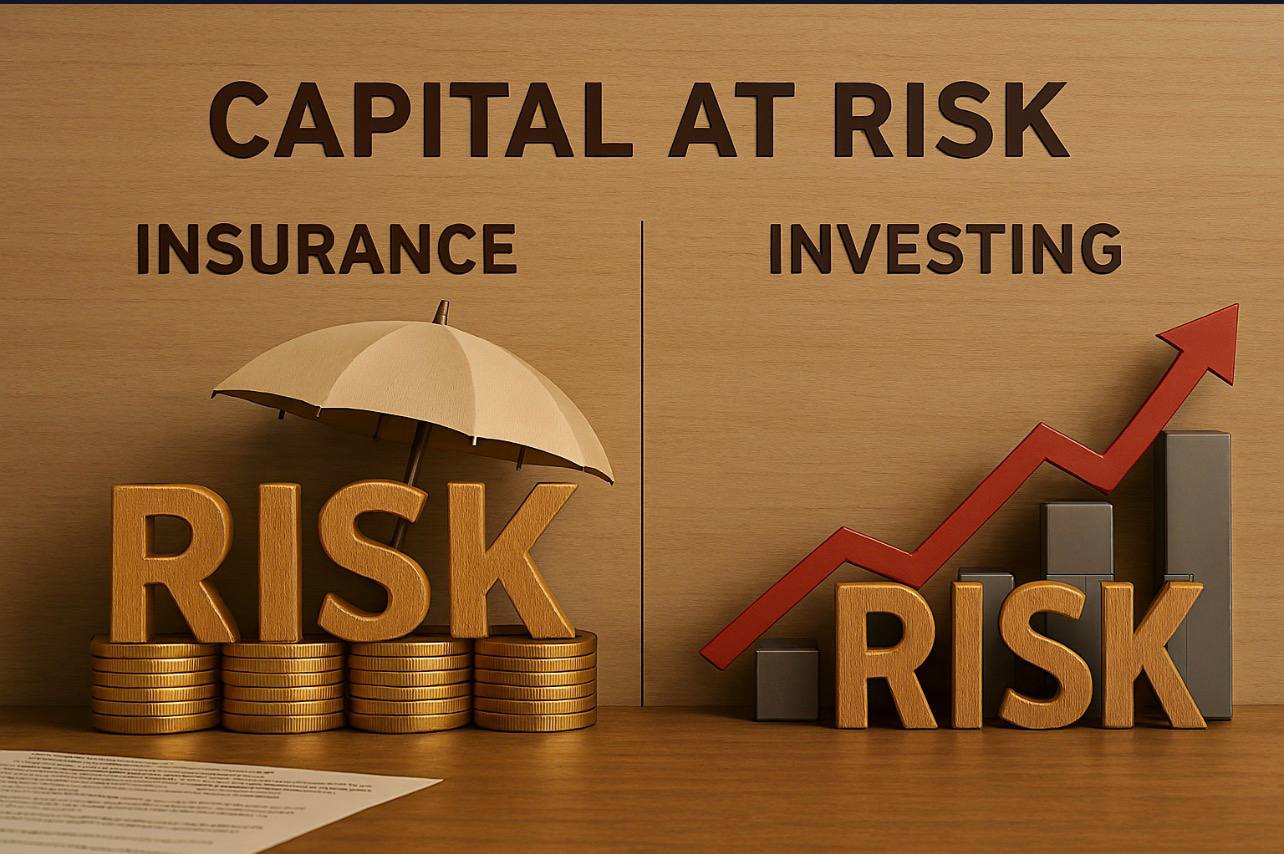
ដើមទុនដែលមានហានិភ័យ (CaR) សំដៅទៅលើចំនួនទឹកប្រាក់ដើមទុនដែលបានបម្រុងទុកដើម្បីស្រូបយកការខាតបង់ដែលអាចកើតមាន។ វាអនុវត្តចំពោះទាំងបុគ្គល និងអង្គការ រួមទាំងអង្គភាពធានារ៉ាប់រងដោយខ្លួនឯង វិនិយោគិន និងក្រុមហ៊ុនធានារ៉ាប់រង។ សម្រាប់ក្រុមហ៊ុនធានារ៉ាប់រង CaR ដើរតួជាខ្នើយសុវត្ថិភាពហិរញ្ញវត្ថុលើសពីបុព្វលាភដែលប្រមូលបាន ដោយធានាថាពួកគេអាចបង់សំណង និងថ្លៃដើមប្រតិបត្តិការ ទោះបីជាការខាតបង់លើសពីការរំពឹងទុកក៏ដោយ។ សម្រាប់វិនិយោគិន ដើមទុនដែលមានហានិភ័យក៏ជាគោលគំនិតពន្ធផងដែរ ដោយសារ IRS តម្រូវឱ្យវិនិយោគិនមានការប៉ះពាល់ផ្នែកហិរញ្ញវត្ថុពិតប្រាកដនៅក្នុងការវិនិយោគដើម្បីមានលក្ខណៈសម្បត្តិគ្រប់គ្រាន់សម្រាប់អត្ថប្រយោជន៍ពន្ធមួយចំនួន ជាពិសេសការព្យាបាលប្រាក់ចំណេញពីដើមទុន។
នៅក្នុងឧស្សាហកម្មធានារ៉ាប់រង ដើមទុនដែលមានហានិភ័យដើរតួនាទីយ៉ាងសំខាន់ក្នុងការរក្សាស្ថិរភាពហិរញ្ញវត្ថុ និងស្ថិរភាពហិរញ្ញវត្ថុ។ ក្រុមហ៊ុនធានារ៉ាប់រងកំណត់តម្លៃបុព្វលាភដោយផ្អែកលើទម្រង់ហានិភ័យ ការទាមទារដែលរំពឹងទុក និងប្រូបាប៊ីលីតេនៃការខាតបង់ ប៉ុន្តែបុព្វលាភតែម្នាក់ឯងអាចមិនគ្រប់គ្រាន់ក្នុងអំឡុងពេលនៃការទាមទារខ្ពស់។ ដើមទុនដែលមានហានិភ័យ ជារឿយៗត្រូវបានគេហៅថាលើស ឬដើមទុនដែលមានហានិភ័យ បំពេញចន្លោះប្រហោងនេះ ហើយថែមទាំងអាចប្រើជាទ្រព្យបញ្ចាំទៀតផង។ ក្រុមហ៊ុនធានារ៉ាប់រងមិនមែនជីវិតគណនាដើមទុនដែលត្រូវការដោយផ្អែកលើការទាមទារសំណងដែលរំពឹងទុក និងបរិមាណបុព្វលាភ ខណៈពេលដែលក្រុមហ៊ុនធានារ៉ាប់រងអាយុជីវិតផ្អែកលើអត្ថប្រយោជន៍សរុបដែលពួកគេអាចត្រូវបង់ក្រោមគោលនយោបាយដែលមានស្រាប់។ ដើមទុនគ្រប់គ្រាន់ដែលមានហានិភ័យគឺជាសូចនាករសំខាន់នៃសុខភាពហិរញ្ញវត្ថុរបស់ក្រុមហ៊ុនធានារ៉ាប់រង។
អ្នកកំណត់បទប្បញ្ញត្តិតម្រូវឱ្យក្រុមហ៊ុនធានារ៉ាប់រងរក្សាកម្រិតអប្បបរមានៃដើមទុនដែលមានហានិភ័យដើម្បីកាត់បន្ថយហានិភ័យនៃការក្ស័យធន និងការពារអ្នកកាន់គោលនយោបាយ។ តម្រូវការទាំងនេះប្រែប្រួលទៅតាមទំហំក្រុមហ៊ុនធានារ៉ាប់រង និងប្រភេទគោលនយោបាយ៖ ក្រុមហ៊ុនធានារ៉ាប់រងមិនមែនជីវិតជាធម្មតាផ្អែកលើទុនបម្រុងលើបទពិសោធន៍ខាតបង់ជាប្រវត្តិសាស្ត្រ ខណៈពេលដែលក្រុមហ៊ុនធានារ៉ាប់រងអាយុជីវិតប្រើប្រាស់ភាគរយនៃតម្លៃគោលនយោបាយដកបទប្បញ្ញត្តិបច្ចេកទេស។ អ្វីដែលសំខាន់នោះ បទប្បញ្ញត្តិផ្តោតលើចំនួនដើមទុនដែលត្រូវកាន់កាប់ មិនមែនរបៀបដែលដើមទុននោះត្រូវបានវិនិយោគនោះទេ។ ជារួម ដើមទុនដែលមានហានិភ័យគឺជាគោលគំនិតជាមូលដ្ឋានដែលគាំទ្រដល់ស្ថិរភាពធានារ៉ាប់រង ការទទួលខុសត្រូវរបស់វិនិយោគិន និងទំនុកចិត្តលើប្រព័ន្ធហិរញ្ញវត្ថុទូលំទូលាយ។
What is Capital at Risk (CaR) and How Does It Work?
Capital at Risk (CaR) refers to the amount of capital set aside to absorb potential losses. It applies to both individuals and organizations, including self-insured entities, investors, and insurance companies. For insurers, CaR acts as a financial safety cushion beyond collected premiums, ensuring they can pay claims and operating costs even when losses exceed expectations. For investors, capital at risk is also a tax concept, as the IRS requires investors to have real financial exposure in an investment to qualify for certain tax benefits, particularly capital gains treatment.
In the insurance industry, capital at risk plays a crucial role in maintaining solvency and financial stability. Insurance companies price premiums based on risk profiles, expected claims, and loss probabilities, but premiums alone may not be sufficient during periods of high claims. Capital at risk often called surplus or risk-bearing capital fills this gap and can even be used as collateral. Non-life insurers calculate required capital based on expected claims and premium volumes, while life insurers base it on the total benefits they may need to pay out under existing policies. Adequate capital at risk is a key indicator of an insurer’s financial health.
Regulators require insurers to maintain minimum levels of capital at risk to reduce insolvency risk and protect policyholders. These requirements vary by insurer size and policy type: non-life insurers typically base reserves on historical loss experience, while life insurers use a percentage of policy values minus technical provisions. Importantly, regulations focus on how much capital must be held, not how that capital is invested. Overall, capital at risk is a foundational concept that supports insurance stability, investor accountability, and confidence in the broader financial system.





Comments