

ថ្ងៃទី ១៤ តុលា ២០២៥ ,ម៉ោង ៤:០០ល្ងាច /Edit by Finance 4U
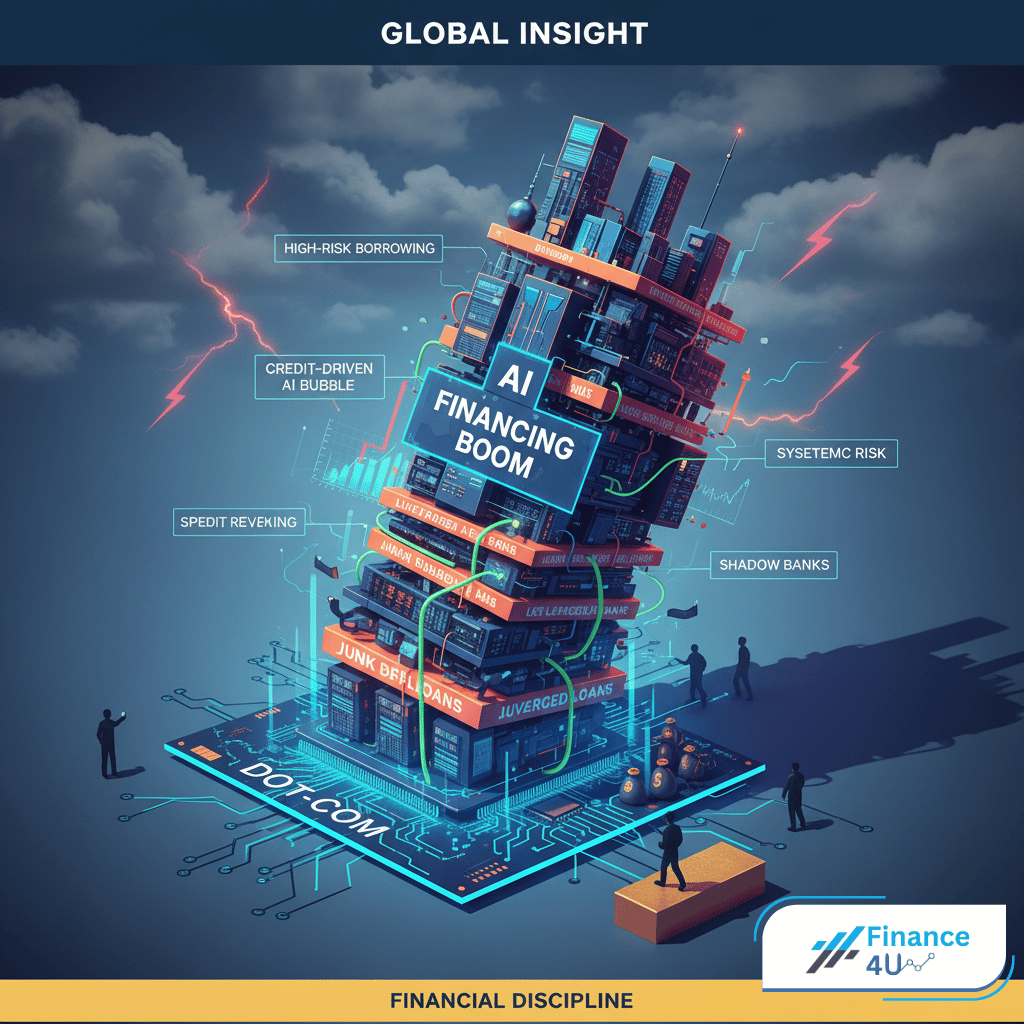
ការប្រណាំងជាសកលដើម្បីកសាងហេដ្ឋារចនាសម្ព័ន្ធបញ្ញាសិប្បនិម្មិត (AI) បានបញ្ចេញនូវរលកវិនិយោគដ៏ធំបំផុតមួយក្នុងប៉ុន្មានទសវត្សរ៍ថ្មីៗនេះ។ ពីមជ្ឈមណ្ឌលទិន្នន័យ និងក្រុមហ៊ុនផលិតបន្ទះឈីប រហូតដល់វេទិកាកម្មវិធីដែលដំណើរការដោយ AI ប្រាក់រាប់ពាន់លានដុល្លារកំពុងហូរចូលទៅក្នុងឧស្សាហកម្មនេះ។ ទោះជាយ៉ាងណាក៏ដោយ ការកើនឡើងនេះត្រូវបានផ្តល់ហិរញ្ញប្បទានកាន់តែខ្លាំងឡើងតាមរយៈការខ្ចីប្រាក់ដែលមានហានិភ័យខ្ពស់ ហើយអ្នកជំនាញបានព្រមានថា វាអាចធ្វើឲ្យប្រព័ន្ធហិរញ្ញវត្ថុមានអស្ថិរភាពធ្ងន់ធ្ងរ ប្រសិនបើប្រាក់ចំណេញដែលបានគ្រោងទុកមិនបានសម្រេច។
ការច្នៃប្រឌិត AI ទាមទារដើមទុនដ៏ធំ។ ការកសាងគំរូទំនើប ដំណើរការទិន្នន័យ និងការថែរក្សាហេដ្ឋារចនាសម្ព័ន្ធកុំព្យូទ័រ ចំណាយអស់រាប់ពាន់លាន។ ដើម្បីបំពេញតម្រូវការទាំងនេះ ក្រុមហ៊ុនកំពុងងាកទៅរកប្រភពមូលនិធិទាំងអស់ដែលមាន ដើមទុនបណ្តាក់ទុន ភាគហ៊ុនឯកជន ប្រាក់កម្ចីធនាគារ និងប័ណ្ណបំណុល។ ប៉ុន្តែការពង្រីកយ៉ាងឆាប់រហ័សនេះបានផ្តល់នូវការកើនឡើងដល់ពពុះ AI ដែលជំរុញដោយឥណទាន ដោយបានបន្ទរលើការរីកចំរើនផ្នែកហិរញ្ញវត្ថុមុននេះ ដែលបំណុលបានកើនលើសកំណើនផលិតភាពពិតប្រាកដ។
ការផ្តល់ហិរញ្ញប្បទានដល់ AI Dream
• ការកើនឡើងនៃការប្រើប្រាស់មូលបត្របំណុលដែលផ្តល់ទិន្នផលខ្ពស់ ("ឥតប្រយោជន៍") និងប្រាក់កម្ចីដែលបានប្រើដើម្បីផ្តល់មូលនិធិដល់គម្រោង AI ។
• ក្រុមហ៊ុនតូចៗកំពុងខ្ចីប្រាក់ប្រឆាំងនឹងប្រាក់ចំណូល AI នាពេលអនាគត។
• មូលនិធិ និងធនាគារមួយចំនួនកំពុងបង្កើតឧបករណ៍ហិរញ្ញវត្ថុដែលភ្ជាប់ AI សំយោគ បង្កើនភាពស្មុគស្មាញ និងការប្រែប្រួលសក្តានុពល។
រចនាសម្ព័ននេះក្នុងរយៈពេលខ្លី ឥណទានមានតម្លៃថ្លៃដែលគាំទ្ររយៈពេលវែង ប្រាក់ចំណេញមិនច្បាស់លាស់ គឺជារូបមន្តបុរាណសម្រាប់ការកែតម្រូវទីផ្សារ។
កត្តាហានិភ័យ
IMF និងធនាគារសម្រាប់ការតាំងទីលំនៅអន្តរជាតិ (BIS) បានបង្ហាញពីហានិភ័យជាប្រព័ន្ធដែលកំពុងកើនឡើងនៃការវិនិយោគ AI ដែលមានឥទ្ធិពល។ ប្រសិនបើការវាយតម្លៃរបស់ AI ត្រជាក់ ឬកំណើនប្រាក់ចំណូលធ្លាក់ចុះ អ្នកវិនិយោគអាចប្រឈមនឹងរលកនៃការខូចទ្រង់ទ្រាយ និងបញ្ហាសាច់ប្រាក់ងាយស្រួល។
អ្នកវិភាគនិយាយថា ស្ថានភាពនេះប្រហាក់ប្រហែលនឹងពពុះបច្ចេកវិទ្យានៅដើមទសវត្សរ៍ឆ្នាំ 2000 នៅពេលដែលការសាទរចំពោះការច្នៃប្រឌិតលើសពីមូលដ្ឋានគ្រឹះហិរញ្ញវត្ថុ។
ការឆ្លើយតបទីផ្សារ
ធនាគារពិភពលោកដូចជា JPMorgan និង Citi បានចាប់ផ្តើមរឹតបន្តឹងការផ្តល់ឥណទានដល់អ្នកខ្ចី AI ដែលមានអានុភាពខ្ពស់។ ទន្ទឹមនឹងនេះ មូលនិធិឥណទានឯកជន និងធនាគារស្រមោលកំពុងបោះជំហានក្នុងការជំរុញហានិភ័យចូលទៅក្នុងជ្រុងហិរញ្ញវត្ថុដែលមិនសូវគ្រប់គ្រង។ ការផ្លាស់ប្តូរនេះអាចបិទបាំងភាពងាយរងគ្រោះនៅក្រោមវិស័យដែលកំពុងរីកចម្រើន។
AI នៅតែជាកម្លាំងផ្លាស់ប្តូរច្រើនបំផុតដែលបង្កើតអនាគតនៃការងារ ផលិតភាព និងបច្ចេកវិទ្យា។ ប៉ុន្តែកំណើនប្រកបដោយនិរន្តរភាពនឹងពឹងផ្អែកលើវិន័យហិរញ្ញវត្ថុ។ ការកែតម្រូវទីផ្សារកម្រិតមធ្យមដែលច្រោះចេញនូវអ្នកលេងដែលខ្សោយជាង និងប្រើប្រាស់លើសកម្រិតអាចធ្វើឱ្យវិស័យនេះកាន់តែរឹងមាំក្នុងរយៈពេលវែង។ អ្នកបង្កើតគោលនយោបាយ និងអ្នកវិនិយោគគួរតែផ្តោតលើការកសាងភាពធន់ផ្នែកហិរញ្ញវត្ថុ ដោយធានាថា រលកបន្ទាប់នៃការបង្កើតថ្មីរបស់ AI ស្ថិតនៅលើមូលដ្ឋានរឹងមាំ។
Rising Risks in the AI Financing Boom
The global race to build artificial intelligence (AI) infrastructure has unleashed one of the largest investment waves in recent decades. From data centers and chip manufacturers to AI powered software platforms, billions of dollars are pouring into the industry. However, this surge is increasingly financed through high-risk borrowing and experts warn it could expose financial systems to serious instability if projected returns don’t materialize.
AI innovation demands massive capital. Building advanced models, processing data, and maintaining computing infrastructure all cost billions. To meet these demands, companies are turning to every funding source available venture capital, private equity, bank loans, and bonds. But this rapid expansion has given rise to a credit-driven AI bubble, echoing earlier financial booms where debt outpaced real productivity growth.
Financing the AI Dream
• Rising use of high-yield (“junk”) bonds and leveraged loans to fund AI projects.
• Smaller firms are borrowing against speculative future AI revenue.
• Some funds and banks are creating synthetic AI-linked financial instruments, increasing complexity and potential volatility.
This structure short-term, expensive credit supporting long-term, uncertain profits is a classic recipe for market correction.
The Risk Factor
The IMF and the Bank for International Settlements (BIS) have highlighted the growing systemic risk of leveraged AI investments. If AI valuations cool or revenue growth slows, investors could face a wave of defaults and liquidity crunches.
Analysts say the situation resembles the early 2000s tech bubble, when enthusiasm for innovation exceeded financial fundamentals.
Market Response
Global banks like JPMorgan and Citi have begun tightening credit exposure to highly leveraged AI borrowers. Meanwhile, private credit funds and shadow banks are stepping in pushing risk into less-regulated corners of finance. This shift may mask vulnerabilities beneath an otherwise booming sector.
AI remains one of the most transformative forces shaping the future of work, productivity, and technology. But sustainable growth will depend on financial discipline. A moderate market correction that filters out weaker, over-leveraged players could make the sector stronger in the long run. Policymakers and investors should focus on building financial resilience, ensuring that AI’s next wave of innovation rests on solid foundations.






Comments