
by Finance 4U ថ្ងៃទី 22 តុលា ២០២៥ ,ម៉ោង១១:១១ល្ងាច /Edit
តើអ្នកធ្លាប់ឆ្ងល់ទេថា តើមានវិធីងាយស្រួលជាងដើម្បីបញ្ចប់ប្រតិបត្តិការដោយមិនចាំបាច់ទាក់ទងជាមួយធនាគារ កាបូបលុយអនឡាញ ឬកម្មវិធីភាគីទីបីទេ? ជាការល្អ វាអាចទៅរួច – អរគុណដល់ប្លុកឆេន (blockchain)។ បច្ចេកវិទ្យាបដិវត្តន៍នេះបានផ្លាស់ប្តូររបៀបដែលយើងគិតអំពីប្រាក់ ទិន្នន័យ និងទំនុកចិត្ត។ នៅក្នុងអត្ថបទនេះ យើងនឹងពន្យល់ពីអ្វីទៅជាប្លុកឆេន របៀបដែលវាដំណើរការ និងមូលហេតុដែលវាកំពុងកំណត់ទិសដៅអនាគតនៃប្រតិបត្តិការឌីជីថល។
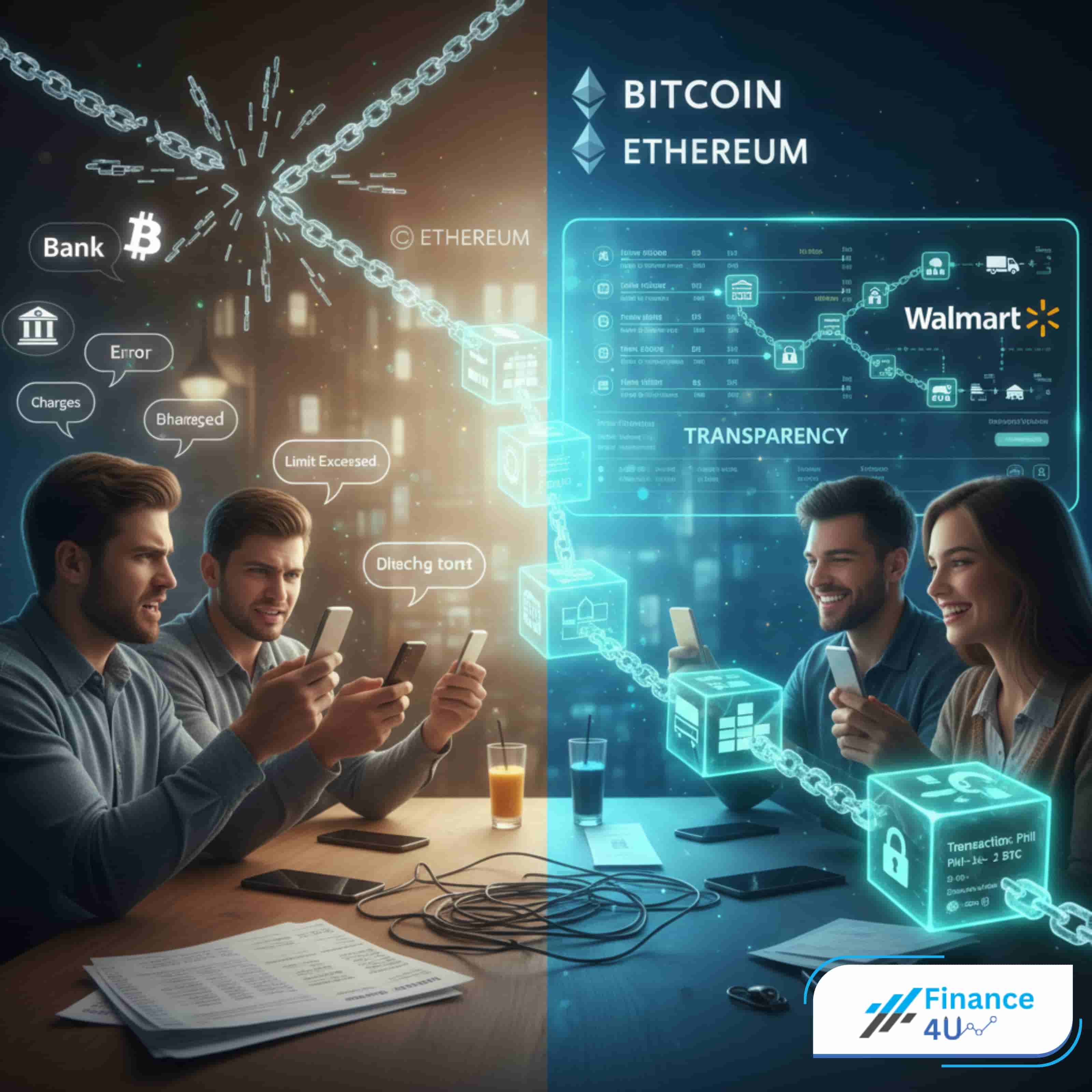
ស្រមៃមើលមិត្តភក្តិបួននាក់គឺ Jack, Ted, Sam និង Phil ជួបគ្នាសម្រាប់អាហារពេលល្ងាច។ បន្ទាប់ពីញ៉ាំអាហាររួច Jack បានបង់វិក្កយបត្រ ហើយអ្នករាល់គ្នាបានយល់ព្រមផ្ញើចំណែករបស់ពួកគេទៅគាត់នៅពេលក្រោយ។ នៅថ្ងៃបន្ទាប់ Phil បានផ្ញើចំណែករបស់គាត់ទៅ Jack ដោយប្រើការផ្ទេរប្រាក់តាមអ៊ីនធឺណិត ហើយវាដំណើរការដោយជោគជ័យ។ ទោះជាយ៉ាងណាក៏ដោយ នៅពេលដែល Ted និង Sam ព្យាយាមផ្ញើចំណែករបស់ពួកគេ ប្រតិបត្តិការរបស់ពួកគេបានបរាជ័យ។ Jack បានដឹងថាមានហេតុផលជាច្រើនដែលប្រតិបត្តិការធនាគារអាចនឹងមិនដំណើរការ។ វាអាចបណ្តាលមកពីបញ្ហាបច្ចេកទេសនៅធនាគារ គណនីត្រូវបានលួចចូល (hack) លើសពីដែនកំណត់នៃការផ្ទេរប្រចាំថ្ងៃ ឬសូម្បីតែថ្លៃសេវាផ្ទេរប្រាក់ដែលលាក់កំបាំង។ ដើម្បីជំនះបញ្ហាទាំងនេះ គំនិតនៃរូបិយបណ្ណគ្រីបតូ (cryptocurrency) បានកើតឡើង។
រូបិយបណ្ណគ្រីបតូ គឺជាកាក់ឌីជីថល ឬកាក់និម្មិតដែលដំណើរការលើបច្ចេកវិទ្យាដែលគេស្គាល់ថាប្លុកឆេន។ ពួកវាត្រូវបានវិមជ្ឈការ ដែលមានន័យថាពួកវាមិនទាមទារអាជ្ញាធរកណ្តាលដូចជាធនាគារនោះទេ។ ពួកវាក៏ត្រូវបានការពារដោយក្បួនដោះស្រាយការអ៊ិនគ្រីប (encryption algorithms) ដ៏ស្មុគស្មាញ ដែលធ្វើឱ្យពួកវាមានសុវត្ថិភាព និងធន់នឹងការក្លែងបន្លំ។ ក្នុងចំណោមរូបិយបណ្ណគ្រីបតូរាប់ពាន់ដូចជា Litecoin, Ethereum និង Zcash មួយបានក្លាយជាកាក់ដែលត្រូវបានទទួលស្គាល់ និងប្រើប្រាស់យ៉ាងទូលំទូលាយបំផុត៖ Bitcoin។
ដើម្បីយល់ពីរបៀបដែលប្លុកឆេនដំណើរការ សូមត្រលប់ទៅឧទាហរណ៍របស់យើងវិញ។ ឧបមាថា Phil, Ted និង Sam ម្នាក់ៗបានផ្ញើ Bitcoin ពីរទៅ Jack ជាចំណែកនៃវិក្កយបត្រអាហារពេលល្ងាចរបស់ពួកគេ។ ប្រតិបត្តិការនីមួយៗបង្កើតកំណត់ត្រាមួយហៅថាប្លុក (block)។ ប្លុកនេះមានព័ត៌មានលម្អិតអំពីប្រតិបត្តិការ រួមទាំងចំនួន Bitcoin ដែលមិត្តម្នាក់ៗមានមុន និងក្រោយការផ្ទេរ។ ឧទាហរណ៍ បន្ទាប់ពី Phil ផ្ញើ Bitcoin ពីរទៅ Jack ឥឡូវ Jack មាន Bitcoin ប្រាំពីរ ខណៈដែល Phil មានមួយ។ នៅពេល Ted និង Sam ផ្ញើការទូទាត់របស់ពួកគេ ប្លុកថ្មីត្រូវបានបង្កើតឡើង ដែលនីមួយៗមានព័ត៌មានលម្អិតប្រតិបត្តិការរៀងៗខ្លួន។ ប្លុកទាំងនេះត្រូវបានភ្ជាប់គ្នា ដោយប្លុកនីមួយៗយោងទៅប្លុកមុន។ លំដាប់នៃកំណត់ត្រាដែលបានភ្ជាប់គ្នានេះត្រូវបានគេហៅថាប្លុកឆេន។ រួមគ្នា ពួកវាបង្កើតជាសៀវភៅបញ្ជីចែកចាយសាធារណៈ (public distributed ledger) – ជាកំណត់ត្រាដែលបានចែករំលែកដែលអ្នកគ្រប់គ្នាដែលមាននៅក្នុងបណ្តាញអាចចូលប្រើបាន។ ប្រសិនបើ Phil ព្យាយាមផ្ញើ Bitcoin ច្រើនជាងអ្វីដែលគាត់មាន ប្រតិបត្តិការត្រូវបានច្រានចោល ពីព្រោះច្បាប់ចម្លងសៀវភៅបញ្ជីរបស់មនុស្សគ្រប់គ្នាបង្ហាញថាគាត់មិនមានគ្រប់គ្រាន់នោះទេ។ តម្លាភាពនេះធានានូវភាពស្មោះត្រង់ ភាពត្រឹមត្រូវ និងសុវត្ថិភាព។
ដូច្នេះ តើប្លុកឆេនជាអ្វីពិតប្រាកដ? និយាយឱ្យសាមញ្ញ ប្លុកឆេនគឺជាបណ្តុំនៃកំណត់ត្រា (ហៅថាប្លុក) ដែលត្រូវបានភ្ជាប់គ្នាដោយប្រើគ្រីបតូក្រាហ្វិក (cryptography)។ ប្លុកនីមួយៗមានទិន្នន័យអំពីប្រតិបត្តិការ ត្រាពេលវេលា (timestamp) និងការយោងទៅប្លុកមុន ដែលធ្វើឱ្យខ្សែសង្វាក់ទាំងមូលមានសុវត្ថិភាព និងធន់នឹងការផ្លាស់ប្តូរ។ នៅពេលដែលព័ត៌មានត្រូវបានបន្ថែមទៅប្លុកឆេន វាពិបាកខ្លាំងណាស់ក្នុងការកែប្រែ។ នេះបង្កើតប្រព័ន្ធកត់ត្រាដែលគួរឱ្យទុកចិត្ត មានតម្លាភាព និងមិនអាចក្លែងបន្លំបាន។
ដើម្បីយល់កាន់តែច្បាស់ពីរបៀបដែលវាដំណើរការក្នុងជីវិតពិត សូមក្រឡេកមើលប្រតិបត្តិការ Bitcoin ។ អ្នកប្រើប្រាស់គ្រប់រូបនៅក្នុងបណ្តាញ Bitcoin មានសោឌីជីថលពីរ៖ សោសាធារណៈ (public key) និងសោឯកជន (private key)។ សោសាធារណៈដំណើរការដូចអាសយដ្ឋានអ៊ីមែលដែលនរណាម្នាក់អាចមើលឃើញ ខណៈដែលសោឯកជនដំណើរការដូចពាក្យសម្ងាត់ដែលម្ចាស់តែម្នាក់គត់ដឹង។ នៅពេល Phil ផ្ញើ Bitcoin ទៅ Jack គាត់បញ្ចូលចំនួនទឹកប្រាក់ដែលគាត់ចង់ផ្ទេរ រួមជាមួយនឹងអាសយដ្ឋានកាបូបរបស់ពួកគេទាំងពីរ។ ព័ត៌មាននេះត្រូវបានដំណើរការតាមរយៈក្បួនដោះស្រាយ hashing (Bitcoin ប្រើមួយហៅថា SHA-256)។ ព័ត៌មានលម្អិតប្រតិបត្តិការត្រូវបានអ៊ិនគ្រីបដោយប្រើសោឯកជនរបស់ Phil ដើម្បីបង្កើតហត្ថលេខាឌីជីថល (digital signature) ដែលបញ្ជាក់ថាប្រតិបត្តិការបានមកពីគាត់។ ទិន្នន័យដែលបានអ៊ិនគ្រីបនេះត្រូវបានផ្ញើដោយប្រើសោសាធារណៈរបស់ Jack ហើយមានតែសោឯកជនរបស់ Jack ប៉ុណ្ណោះដែលអាចឌីគ្រីប (decrypt) វាបាន ដែលអនុញ្ញាតឱ្យគាត់ទទួលបាន Bitcoin ។ រូបិយបណ្ណគ្រីបតូផ្សេងទៀត ដូចជា Ethereum ប្រើក្បួនដោះស្រាយផ្សេងៗគ្នា ដូចជា Ethash ប៉ុន្តែគោលការណ៍នៅតែដដែល។
ឥឡូវនេះ តើអ្នកជីកយករ៉ែ (miners) ចូលរួមក្នុងរូបភាពនេះនៅត្រឹមណា? នៅទូទាំងពិភពលោក ប្រតិបត្តិការរាប់ពាន់កើតឡើងរៀងរាល់វិនាទី។ ប្រតិបត្តិការទាំងនេះចាំបាច់ត្រូវផ្ទៀងផ្ទាត់ និងបន្ថែមទៅក្នុងប្លុកឆេន ហើយនោះជាកន្លែងដែលអ្នកជីកយករ៉ែចូលមក។ អ្នកជីកយករ៉ែប្រើកុំព្យូទ័រដ៏មានឥទ្ធិពលដើម្បីដោះស្រាយល្បែងផ្គុំគណិតវិទ្យាដ៏ស្មុគស្មាញដែលផ្ទៀងផ្ទាត់ប្លុកនីមួយៗ – ដំណើរការដែលគេស្គាល់ថា Proof of Work ។ អ្នកជីកយករ៉ែដំបូងគេដែលដោះស្រាយបញ្ហាបាន អាចបន្ថែមប្លុកថ្មីទៅក្នុងប្លុកឆេន ហើយត្រូវបានផ្តល់រង្វាន់ជារូបិយបណ្ណគ្រីបតូ ដូចជា ១២.៥ Bitcoin ។ ដំណើរការនេះ ហៅថាការជីកយករ៉ែ (mining) មិនត្រឹមតែធានាសុវត្ថិភាពបណ្តាញប៉ុណ្ណោះទេ ប៉ុន្តែថែមទាំងធានាថាគ្រប់ប្រតិបត្តិការទាំងអស់មានភាពពិតប្រាកដ និងត្រូវបានកត់ត្រាបានត្រឹមត្រូវ។
ត្រង់ចំណុចនេះ អ្នកប្រហែលជាឆ្ងល់ថា តើលក្ខណៈពិសេសអ្វីនៃប្លុកឆេនដែលធានាថាគ្មាននរណាម្នាក់អាចផ្លាស់ប្តូរទិន្នន័យនៅក្នុងបណ្តាញបាន? ចម្លើយគឺសៀវភៅបញ្ជីចែកចាយសាធារណៈ (public distributed ledger) ដែលអនុញ្ញាតឱ្យអ្នកចូលរួមគ្រប់រូបមានកំណត់ត្រាប្រតិបត្តិការទាំងអស់ដែលបានធ្វើសមកាលកម្ម និងមានតម្លាភាព។ ភាពមើលឃើញដែលបានចែករំលែកនេះធ្វើឱ្យការកែប្រែស្ទើរតែមិនអាចទៅរួច។
ប្លុកឆេនមិនត្រូវបានកំណត់ចំពោះរូបិយបណ្ណគ្រីបតូតែប៉ុណ្ណោះទេ វាថែមទាំងកំពុងបង្កើតផលប៉ះពាល់យ៉ាងសំខាន់នៅក្នុងឧស្សាហកម្មផ្សេងទៀតផងដែរ។ ឧទាហរណ៍ដ៏ល្អមួយគឺ Walmart ។ ក្រុមហ៊ុននេះធ្លាប់ប្រឈមមុខនឹងបញ្ហាប្រឈមធំៗក្នុងការតាមដានគុណភាពផលិតផលពេញមួយខ្សែសង្វាក់ផ្គត់ផ្គង់របស់ខ្លួន – ពីកសិដ្ឋាន រហូតដល់ឃ្លាំង ការដឹកជញ្ជូន និងការលក់រាយ។ នៅពេលដែលអតិថិជនរាយការណ៍ពីផលិតផលដែលមានបញ្ហា Walmart មានការលំបាកក្នុងការកំណត់អត្តសញ្ញាណកន្លែងដែលបញ្ហាកើតឡើង។ ដោយអនុវត្តបច្ចេកវិទ្យាប្លុកឆេន Walmart បានចាប់ផ្តើមកត់ត្រាព័ត៌មានផលិតផលនៅដំណាក់កាលនីមួយៗនៃខ្សែសង្វាក់ផ្គត់ផ្គង់។ នេះមានន័យថា ប្រសិនបើផលិតផលត្រូវបានរកឃើញខូច ក្រុមហ៊ុនអាចតាមដានបញ្ហាត្រឡប់ទៅប្រភពរបស់វាវិញ មិនថាវាកើតឡើងនៅកសិដ្ឋាន អំឡុងពេលដឹកជញ្ជូន ឬនៅក្នុងឃ្លាំងនោះទេ។ ប្រព័ន្ធនេះបានកែលម្អយ៉ាងខ្លាំងនូវតម្លាភាព ប្រសិទ្ធភាព និងការពេញចិត្តរបស់អតិថិជន។
ប្លុកឆេនពិតជាបច្ចេកវិទ្យាដែលផ្លាស់ប្តូរហ្គេម។ វាលុបបំបាត់តម្រូវការសម្រាប់អន្តរការី កាត់បន្ថយការចំណាយប្រតិបត្តិការ និងបង្កើនសុវត្ថិភាពទិន្នន័យ។ កាន់តែសំខាន់ វានាំមកនូវតម្លាភាព និងទំនុកចិត្តដល់អន្តរកម្មឌីជីថល។ ខណៈពេលដែលវាបានចាប់ផ្តើមជាមួយរូបិយបណ្ណគ្រីបតូដូចជា Bitcoin កម្មវិធីរបស់វាឥឡូវនេះបានលាតសន្ធឹងពាសពេញហិរញ្ញវត្ថុ ថែទាំសុខភាព ភស្តុភារ និងវិស័យជាច្រើនទៀត។ អនាគតដែលបង្កើតឡើងដោយប្លុកឆេន គឺជាអនាគតដែលប្រតិបត្តិការលឿនជាង សុវត្ថិភាពជាង និងមានតម្លាភាពជាង។
សរុបមក ប្លុកឆេនតំណាងឱ្យការផ្លាស់ប្តូរជាមូលដ្ឋាននៅក្នុងរបៀបដែលយើងគ្រប់គ្រងប្រាក់ ព័ត៌មាន និងទំនុកចិត្តតាមអ៊ីនធឺណិត។ វាជាច្រើនជាងគ្រឹះនៃរូបិយបណ្ណគ្រីបតូ – វាជាវិធីថ្មីមួយក្នុងការរៀបចំរចនាសម្ព័ន្ធពិភពឌីជីថល។ នៅពេលដែលបច្ចេកវិទ្យានៅតែបន្តវិវឌ្ឍ ប្លុកឆេននឹងនៅតែជាមូលដ្ឋានគ្រឹះនៃនវានុវត្តន៍ ដែលជួយកសាងអនាគតដែលកាន់តែមានសុវត្ថិភាព វិមជ្ឈការ និងមានតម្លាភាពសម្រាប់មនុស្សគ្រប់គ្នា។
Understanding the Future of Digital Transactions
Have you ever wondered if there’s an easier way to complete transactions without dealing with banks, online wallets, or third-party applications? Well, it’s possible thanks to blockchain. This revolutionary technology has transformed the way we think about money, data, and trust. In this article, we’ll break down what blockchain is, how it works, and why it’s shaping the future of digital transactions.
Imagine four friends Jack, Ted, Sam, and Phil meeting up for dinner. After finishing their meal, Jack pays the bill, and everyone agrees to send him their share later. The next day, Phil sends his share to Jack using an online money transfer, and it goes through successfully. However, when Ted and Sam try to send their shares, their transactions fail. Jack learns that there are many reasons a bank transaction might not go through. It could be due to technical problems at the bank, an account getting hacked, daily transfer limits being exceeded, or even hidden transfer charges. To overcome these issues, the concept of cryptocurrency was born.
Cryptocurrencies are digital or virtual currencies that run on a technology known as blockchain. They are decentralized, meaning they don’t require a central authority like a bank. They are also protected by complex encryption algorithms, making them secure and resistant to counterfeiting. Among thousands of cryptocurrencies such as Litecoin, Ethereum, and Zcash one has become the most recognized and widely used: Bitcoin.
To understand how blockchain works, let’s revisit our example. Suppose Phil, Ted, and Sam each send Jack two bitcoins as their share of the dinner bill. Each transaction creates a record called a block. This block contains transaction details, including how many bitcoins each friend has before and after the transfer. For instance, after Phil sends two bitcoins to Jack, Jack now has seven bitcoins while Phil has one. When Ted and Sam send their payments, new blocks are created, each containing their respective transaction details. These blocks are linked together, with each one referencing the previous block. This sequence of connected records is called a blockchain. Together, they form a public distributed ledger a shared record that everyone in the network can access. If Phil tries to send more bitcoins than he owns, the transaction is rejected because everyone’s copy of the ledger shows he doesn’t have enough. This transparency ensures honesty, accuracy, and security.
So, what exactly is blockchain? In simple terms, blockchain is a collection of records (called blocks) that are linked together using cryptography. Each block contains data about transactions, a timestamp, and a reference to the previous block, making the entire chain secure and resistant to alteration. Once information is added to a blockchain, it’s extremely difficult to modify. This creates a trustworthy, transparent, and tamper-proof system of record-keeping.
To better understand how this works in real life, let’s look at a Bitcoin transaction. Every user in the Bitcoin network has two digital keys: a public key and a private key. The public key functions like an email address that anyone can see, while the private key works like a password that only the owner knows. When Phil sends bitcoins to Jack, he enters the amount he wants to transfer along with both their wallet addresses. This information is then processed through a hashing algorithm Bitcoin uses one called SHA-256. The transaction details are encrypted using Phil’s private key to create a digital signature, confirming that the transaction came from him. This encrypted data is sent using Jack’s public key, and only Jack’s private key can decrypt it, allowing him to receive the bitcoins. Other cryptocurrencies, like Ethereum, use different algorithms, such as Ethash, but the principle remains the same.
Now, where do miners fit into this picture? Across the world, thousands of transactions happen every second. These transactions need to be verified and added to the blockchain, and that’s where miners come in. Miners use powerful computers to solve complex mathematical puzzles that validate each block a process known as Proof of Work. The first miner to solve the problem gets to add the new block to the blockchain and is rewarded with cryptocurrency, such as 12.5 bitcoins. This process, called mining, not only secures the network but also ensures that every transaction is authentic and accurately recorded.
At this point, you might wonder which feature of blockchain ensures that no one can alter data within the network. The answer is the public distributed ledger, which allows every participant to have a synchronized and transparent record of all transactions. This shared visibility makes tampering virtually impossible.
Blockchain isn’t limited to cryptocurrencies; it’s also making a significant impact in other industries. A great example is Walmart. The company once faced major challenges in tracking product quality throughout its supply chain from farms to storage, transportation, and retail. When customers reported defective products, Walmart had difficulty identifying where the issue occurred. By implementing blockchain technology, Walmart began recording product information at each stage of the supply chain. This means that if a product is found damaged, the company can trace the problem back to its source, whether it happened on the farm, during shipment, or in storage. This system has greatly improved transparency, efficiency, and customer satisfaction.
Blockchain is truly a game-changing technology. It eliminates the need for intermediaries, reduces transaction costs, and enhances data security. More importantly, it brings transparency and trust to digital interactions. While it started with cryptocurrencies like Bitcoin, its applications now span across finance, healthcare, logistics, and many other sectors. The future shaped by blockchain is one where transactions are faster, safer, and more transparent.
In conclusion, blockchain represents a fundamental shift in how we handle money, information, and trust online. It’s more than just the foundation of cryptocurrencies it’s a new way of structuring the digital world. As technology continues to evolve, blockchain will remain a cornerstone of innovation, helping to build a more secure, decentralized, and transparent future for everyone.




Comments