

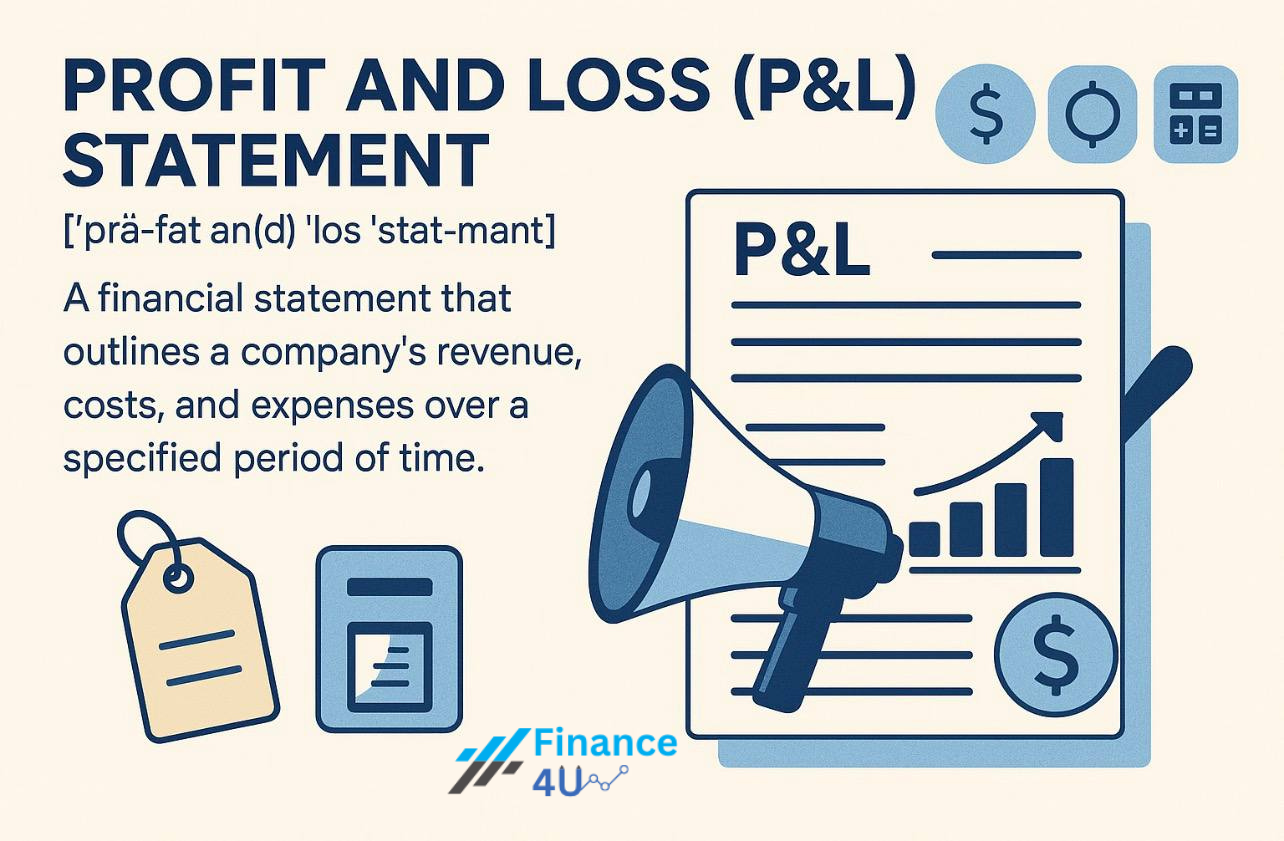
របាយការណ៍ចំណេញ ខាត (P&L) ដែលត្រូវបានគេស្គាល់ផងដែរថា របាយការណ៍ប្រាក់ចំណូល (Income Statement) គឺជារបាយការណ៍ហិរញ្ញវត្ថុសំខាន់មួយ ដែលបង្ហាញពីប្រាក់ចំណូល ចំណាយ និងលទ្ធផលចុងក្រោយ (ចំណេញ ឬ ខាត) របស់អាជីវកម្ម ក្នុងអំឡុងពេលជាក់លាក់មួយ ដូចជា ប្រចាំខែ ត្រីមាស ឬឆ្នាំសារពើពន្ធ។ របាយការណ៍នេះជួយឲ្យយល់ដឹងអំពីសមត្ថភាពរបស់អង្គភាពក្នុងការបង្កើតប្រាក់ចំណូល និងគ្រប់គ្រងចំណាយប្រកបដោយប្រសិទ្ធភាព។
តួនាទី និងសារៈសំខាន់ក្នុងការរាយការណ៍ហិរញ្ញវត្ថុ
របាយការណ៍ P&L គឺជាមួយក្នុងចំណោម របាយការណ៍ហិរញ្ញវត្ថុសំខាន់ ៣ ប្រភេទ រួមមាន៖
• របាយការណ៍តុល្យការ (Balance Sheet)
• របាយការណ៍ចលនាសាច់ប្រាក់ (Cash Flow Statement)
ខុសពីរបាយការណ៍តុល្យការ ដែលបង្ហាញស្ថានភាពហិរញ្ញវត្ថុត្រឹមតែពេលវេលាមួយចំណុច របាយការណ៍ P&L បង្ហាញលទ្ធផលប្រតិបត្តិការក្នុងរយៈពេលមួយ ដែលអាចប្រើសម្រាប់វាយតម្លៃនិន្នាការ និងសមត្ថភាពអាជីវកម្មក្នុងការរកប្រាក់ចំណេញ។
ពាក្យគន្លឹះ
របាយការណ៍ចំណេញ និងខាត ជាទូទៅមានរចនាសម្ព័ន្ធដូចខាងក្រោម៖
១. ប្រាក់ចំណូលសរុប (Total Revenue)៖ ប្រាក់ចំណូលទាំងអស់ដែលអាជីវកម្មរកបានក្នុងអំឡុងពេលរាយការណ៍។
២. ថ្លៃដើមទំនិញលក់ (Cost of Goods Sold – COGS)៖ ចំណាយផ្ទាល់ដែលពាក់ព័ន្ធនឹងការផលិត ឬការផ្តល់សេវាកម្ម
៣. ចំណេញសរុប (Gross Profit)៖ ប្រាក់ចំណូលសរុប ដក ថ្លៃដើមទំនិញលក់។
៤. ចំណាយប្រតិបត្តិការ (Operating Expenses)៖ ចំណាយដែលចាំបាច់សម្រាប់ដំណើរការអាជីវកម្ម ដូចជា ប្រាក់ខែ ការផ្សព្វផ្សាយ ថ្លៃជួល និងសេវាសាធារណៈ។
៥. ប្រាក់ចំណេញពីប្រតិបត្តិការ (Operating Income)៖ លទ្ធផលចំណេញពីសកម្មភាពអាជីវកម្មស្នូល។
៦. ធាតុមិនមែនប្រតិបត្តិការ (Non-Operating Items)៖ ប្រាក់ចំណូល ឬ ខាត ដែលមិនមែនកើតពីសកម្មភាពអាជីវកម្មស្នូល ដូចជា ការវិនិយោគ ឬការបង់ប្រាក់ពិន័យ។
៧. ការប្រាក់ និងពន្ធ (Interest and Taxes)៖ កាតព្វកិច្ចហិរញ្ញវត្ថុដែលត្រូវកាត់ចេញពីប្រាក់ចំណេញមុនពន្ធ។
៨. ប្រាក់ចំណេញសុទ្ធ ឬ ខាតសុទ្ធ (Net Income / Net Loss)៖ លទ្ធផលចុងក្រោយ ដែលបង្ហាញថាអាជីវកម្មរកបានចំណេញ ឬជួបខាតក្នុងអំឡុងពេលនោះ។
វិធីសាស្ត្រគណនេយ្យ
របាយការណ៍ P&L អាចត្រូវបានរៀបចំតាមវិធីសាស្ត្រគណនេយ្យពីរ៖
• គណនេយ្យមូលដ្ឋានសាច់ប្រាក់ (Cash Basis)៖ កត់ត្រាប្រាក់ចំណូល និងចំណាយ នៅពេលមានចលនាសាច់ប្រាក់ពិតប្រាកដ។
• គណនេយ្យមូលដ្ឋានបង្គរ (Accrual Basis)៖ កត់ត្រាប្រាក់ចំណូល និងចំណាយ នៅពេលកើតឡើង ទោះបីមិនទាន់មានសាច់ប្រាក់ក៏ដោយ
វិធីសាស្ត្របង្គរ ត្រូវបានចាត់ទុកថាផ្តល់ភាពត្រឹមត្រូវ និងបង្ហាញសមត្ថភាពអាជីវកម្មបានច្បាស់ជាង ជាពិសេសសម្រាប់អង្គភាពធំៗ។
អត្ថប្រយោជន៍សម្រាប់អ្នកពាក់ព័ន្ធ
→ សម្រាប់ការគ្រប់គ្រងខាងក្នុង
របាយការណ៍ P&L ជាឧបករណ៍សំខាន់សម្រាប់វាយតម្លៃប្រសិទ្ធភាពប្រតិបត្តិការ គ្រប់គ្រងចំណាយ និងគាំទ្រការធ្វើសេចក្តីសម្រេចយុទ្ធសាស្ត្រ។
→ សម្រាប់ភាគីខាងក្រៅ
វិនិយោគិន ម្ចាស់បំណុល និងស្ថាប័នហិរញ្ញវត្ថុ ប្រើរបាយការណ៍នេះដើម្បីវាយតម្លៃស្ថិរភាព និងសក្តានុពលនៃការរីកចម្រើនរបស់អាជីវកម្ម។
ការប្រៀបធៀបជាមួយរបាយការណ៍ហិរញ្ញវត្ថុផ្សេងទៀត
ខណៈពេលដែលរបាយការណ៍ P&L ផ្តោតលើការអនុវត្តតាមពេលវេលា តារាងតុល្យការបង្ហាញពីទិដ្ឋភាពសង្ខេបនៃទ្រព្យសកម្ម បំណុល និងដើមទុននៅកាលបរិច្ឆេទជាក់លាក់មួយ ហើយរបាយការណ៍លំហូរសាច់ប្រាក់រៀបរាប់លម្អិតអំពីចលនាសាច់ប្រាក់ជាក់ស្តែង។ រួមគ្នា របាយការណ៍ទាំងនេះផ្តល់នូវទិដ្ឋភាពពហុវិមាត្រនៃស្ថានភាពហិរញ្ញវត្ថុ និងលទ្ធផល។
បរិបទច្បាប់ និងបទប្បញ្ញត្តិ
សម្រាប់ក្រុមហ៊ុនចុះបញ្ជីក្នុងផ្សារហ៊ុន របាយការណ៍ P&L ត្រូវបានទាមទារឱ្យរៀបចំ និងបង្ហាញជាប្រចាំ តាមស្តង់ដារគណនេយ្យដូចជា GAAP ឬ IFRS ដើម្បីធានាភាពថ្លៃថ្នូរ ភាពច្បាស់លាស់ និងអាចប្រៀបធៀបបាន។
Profit and Loss (P&L) Statement
A Profit or Loss (P&L) Statement, also known as an Income Statement, is a foundational financial document that summarizes a company’s revenues, expenses, and net results (profit or loss) for a defined period, such as a quarter or fiscal year. This statement offers a concise portrayal of operational performance, reflecting how effectively an organization generates income and manages costs.
Purpose and Position in Financial Reporting
The P&L Statement is one of the three core financial statements, alongside the Balance Sheet and Cash Flow Statement, that together present a comprehensive view of a company’s financial health. Unlike the Balance Sheet, which records financial position at a single point in time, the P&L Statement tracks performance over a duration, enabling trend analysis and performance evaluation.
Key words
At its core, a P&L Statement reflects the following sequence:
1. Total Revenues: The aggregate of all income earned during the reporting period.
2. Cost of Goods Sold (COGS): Direct costs attributable to production of the goods or services sold.
3. Gross Profit: The difference between revenue and COGS, showing basic profitability before general operating costs.
4. Operating Expenses: Indirect costs necessary to run the business (e.g., salaries, marketing, rent).
5. Operating Income: Earnings from primary business operations.
6. Non-Operating Items: Includes gains or losses from ancillary activities (e.g., investment income, legal settlements).
7. Taxes and Interest: Obligations that reduce pre-tax earnings.
8. Net Income or Net Loss: The “bottom line,” showing whether the business earned a profit or incurred a loss during the period.
This structure enables stakeholders to trace how revenue transforms into net profit through successive stages of deductions and additions.
Accounting Methods
P&L Statements may be prepared using either:
• Cash Basis Accounting, recognizing income and expenses only when cash changes hands; or
• Accrual Basis Accounting, recognizing transactions when they are earned or incurred, irrespective of cash flow.
The accrual method is generally considered more reflective of true performance, especially for larger businesses.
Importance for Stakeholders
→ Internal Uses:
Management evaluates profitability, cost efficiency, and operational effectiveness using the P&L. It informs budgeting, strategic planning, and short- and long-term decision-making.
→ External Uses:
Investors, lenders, and analysts rely on P&L Statements to assess financial stability and growth potential. Metrics derived from the P&L, such as profit margins or earnings ratios, are critical to valuation and investment decisions.
Comparison with Other Financial Statements
While the P&L Statement focuses on performance over time, the Balance Sheet presents a snapshot of assets, liabilities, and equity at a specific date, and the Cash Flow Statement details actual cash movements. Together, these statements offer a multi-dimensional view of financial condition and results.
Regulatory Context
Publicly traded companies are mandated to prepare and disclose P&L Statements typically quarterly and annually in accordance with accounting standards such as GAAP or IFRS. This ensures transparency and comparability across firms. Private firms may also prepare these statements for internal use or external reporting, although the regulatory requirements differ.





Comments