

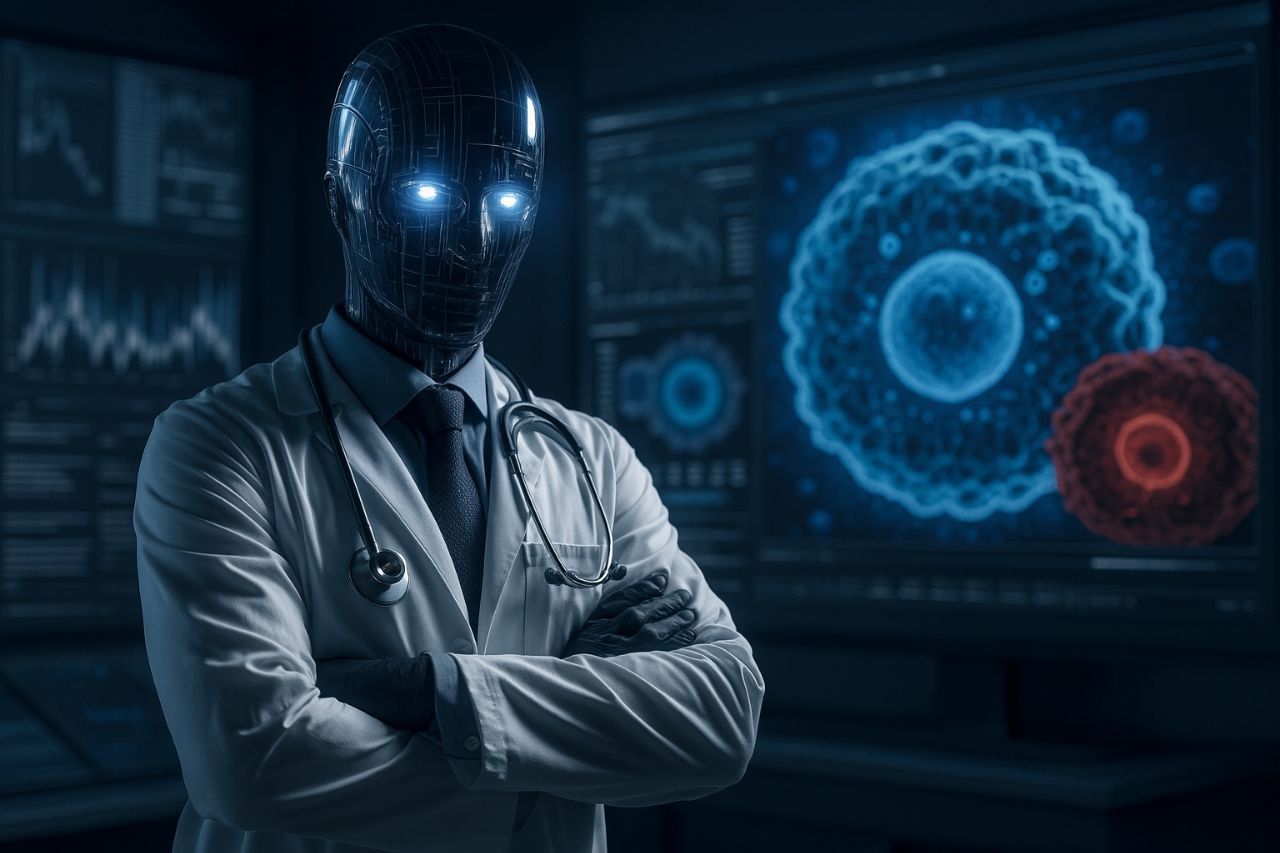
🧬 នៅក្នុងជំហានដ៏សំខាន់មួយឆ្ពោះទៅរកថ្នាំដែលមានភាពជាក់លាក់ អ្នកវិទ្យាសាស្ត្រ KAIST បានបង្កើត AI ជំនាន់ថ្មីដែលអាចទស្សន៍ទាយពីរបៀបដែលកោសិកាមនុស្សឆ្លើយតបទៅនឹងថ្នាំ ឬការផ្លាស់ប្តូរហ្សែន ទោះបីជាមិនមានការធ្វើតេស្តពីមុនក៏ដោយ។ ឧបករណ៍ដ៏មានអានុភាពនេះជួយអ្នកស្រាវជ្រាវស្វែងយល់ពីប្រសិទ្ធភាពនៃការព្យាបាលបានលឿន និងត្រឹមត្រូវជាងមុន ដោយកាត់បន្ថយតម្រូវការសម្រាប់ការសាកល្បងមន្ទីរពិសោធន៍ដែលមានតម្លៃថ្លៃ។
គំរូនេះប្រើវិធីសាស្រ្តគណិតវិទ្យា "Lego block" ដើម្បីតំណាងឱ្យស្ថានភាពកោសិកា និងឥទ្ធិពលថ្នាំនៅក្នុងលំហគណនារួមគ្នា។ តាមរយៈការរួមបញ្ចូលធាតុទាំងនេះឡើងវិញ AI អាចក្លែងធ្វើពីរបៀបដែលស្ថានភាពរបស់កោសិកាអាចផ្លាស់ប្តូរនៅក្រោមការអន្តរាគមន៍ជាក់លាក់។ នេះអនុញ្ញាតឱ្យអ្នកស្រាវជ្រាវស្វែងរកការព្យាបាលដែលមានសក្តានុពល និងយល់ពីយន្តការរបស់ពួកគេជាមួយនឹងភាពជាក់លាក់ដែលមិនធ្លាប់មានពីមុនមក។
ដោយមានសុពលភាពតាមរយៈការធ្វើតេស្តជាក់ស្តែង AI បានកំណត់អត្តសញ្ញាណដោយជោគជ័យនូវគោលដៅហ្សែនដែលផ្លាស់ប្តូរកោសិកាមហារីកពោះវៀនធំឆ្ពោះទៅរកសភាពធម្មតា។ សក្តានុពលដ៏ទូលំទូលាយរបស់វាគ្របដណ្តប់លើការរកឃើញឱសថ ឱសថបង្កើតឡើងវិញ និងការព្យាបាលតាមគោលដៅ ដែលធ្វើឱ្យវាក្លាយជាឧបករណ៍ដ៏មានឥទ្ធិពលមិនត្រឹមតែសម្រាប់ទស្សន៍ទាយភាពជោគជ័យនៃការព្យាបាលប៉ុណ្ណោះទេ ប៉ុន្តែសម្រាប់ការពន្យល់ពីរបៀប និងមូលហេតុដែលការព្យាបាលដំណើរការនៅកម្រិតកោសិកា។
AI Breakthrough Predicts Cell Reactions to Drugs
🧬 In a major step toward precision medicine, KAIST scientists have developed a generative AI that can predict how human cells respond to drugs or genetic changes—even without prior testing. This powerful tool helps researchers explore treatment effects faster and more accurately, reducing the need for costly lab trials.
The model uses a “Lego block” mathematical approach to represent both cell states and drug effects in a shared computational space. By recombining these elements, the AI can simulate how a cell’s condition might shift under specific interventions. This allows researchers to explore potential therapies and understand their mechanisms with unprecedented precision.
Validated through real-world testing, the AI successfully identified genetic targets that reversed colorectal cancer cells toward normal states. Its broader potential spans drug discovery, regenerative medicine, and targeted therapies—making it a powerful tool not just for predicting treatment success, but for explaining how and why treatments work at the cellular level.






Comments