

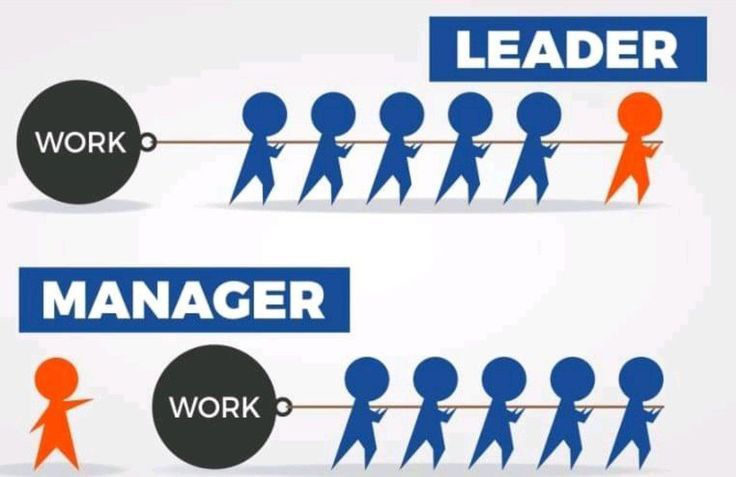
ក្នុងបរិបទនៃការងារ និងការដឹកនាំអង្គភាព ពាក្យថា «អ្នកដឹកនាំ» និង «អ្នកគ្រប់គ្រង» ជារឿយៗត្រូវបានគេប្រើប្រាស់ច្រឡំគ្នា ប៉ុន្តែតាមពិតទៅ តួនាទីទាំងពីរនេះមានលក្ខណៈសម្បត្តិ និងមុខងារខុសគ្នាជាមូលដ្ឋាន។ ការយល់ដឹងពីភាពខុសគ្នានេះ នឹងជួយឱ្យយើងអាចអភិវឌ្ឍខ្លួនឱ្យក្លាយជាបុគ្គលដែលមានប្រសិទ្ធភាពខ្ពស់ក្នុងស្ថាប័ន។
១. ការផ្តោតលើចក្ខុវិស័យ និងការអនុវត្ត
អ្នកដឹកនាំគឺជាបុគ្គលដែលមានចក្ខុវិស័យវែងឆ្ងាយ។ ពួកគេផ្តោតសំខាន់ទៅលើ «ទិសដៅ» ដែលត្រូវទៅ និងការបង្កើតគំនិតថ្មីៗ ដើម្បីនាំអង្គភាពឱ្យឈានទៅមុខ។ ផ្ទុយទៅវិញ អ្នកគ្រប់គ្រងផ្តោតសំខាន់លើ «ការអនុវត្ត»។ ពួកគេយកចក្ខុវិស័យរបស់អ្នកដឹកនាំ មកបំបែកជាផែនការសកម្មភាពជាក់ស្តែង រៀបចំកាលវិភាគ និងបែងចែកធនធាន ដើម្បីធានាថាការងារសម្រេចបានតាមគោលដៅ និងទាន់ពេលវេលា។
២. ការផ្លាស់ប្តូរ និងស្ថិរភាព
លក្ខណៈខុសគ្នាដ៏ច្បាស់មួយទៀតគឺឥរិយាបថចំពោះការផ្លាស់ប្តូរ។ អ្នកដឹកនាំចូលចិត្តការផ្លាស់ប្តូរ និងការធ្វើបរិវត្តកម្ម (Transformation)។ ពួកគេមិនខ្លាចនឹងការរុះរើប្រព័ន្ធចាស់ៗចោល ដើម្បីដាក់ជំនួសមកវិញនូវអ្វីដែលប្រសើរជាងមុនឡើយ។ ចំណែកឯអ្នកគ្រប់គ្រងវិញ គឺជាអ្នកថែរក្សាស្ថិរភាព។ ភារកិច្ចចម្បងរបស់ពួកគេគឺកាត់បន្ថយហានិភ័យ និងរក្សាភាពរលូននៃដំណើរការងារប្រចាំថ្ងៃ កុំឱ្យមានការរអាក់រអួល។
៣. ការបំផុសគំនិត និងការត្រួតពិនិត្យ
អ្នកដឹកនាំប្រើប្រាស់សិល្បៈនៃការបញ្ចុះបញ្ចូល និងការបំផុសគំនិត (Inspiration) ដើម្បីឱ្យមនុស្សដើរតាមដោយស្ម័គ្រចិត្ត។ ពួកគេបង្កើតទំនុកចិត្ត និងផ្តល់អំណាចដល់បុគ្គលិកក្នុងការសម្រេចចិត្ត។ ដោយឡែក អ្នកគ្រប់គ្រងប្រើប្រាស់អំណាចតាមឋានានុក្រម និងការត្រួតពិនិត្យ (Control)។ ពួកគេតាមដានលទ្ធផលការងារយ៉ាងម៉ត់ចត់ និងដោះស្រាយបញ្ហាដែលកើតឡើងភ្លាមៗ ដើម្បីរក្សាសណ្តាប់ធ្នាប់ក្នុងក្រុមការងារ។
៤. មនុស្ស និងរចនាសម្ព័ន្ធ
នៅក្នុងទំនាក់ទំនងការងារ អ្នកដឹកនាំផ្តល់តម្លៃខ្ពស់លើ «មនុស្ស» និងការកសាងទំនាក់ទំនង។ ពួកគេសម្លឹងមើលទៅលើការបណ្តុះបណ្តាលសមត្ថភាព និងការលើកទឹកចិត្តបុគ្គលិក។ ប៉ុន្តែសម្រាប់អ្នកគ្រប់គ្រង អ្វីដែលសំខាន់បំផុតគឺ «រចនាសម្ព័ន្ធ និងប្រព័ន្ធ»។ ពួកគេផ្ដោតលើការរៀបចំតួនាទី ការកំណត់ច្បាប់ទម្លាប់ និងការធ្វើឱ្យប្រាកដថាគ្រប់ផ្នែកទាំងអស់នៃម៉ាស៊ីនការងារកំពុងដំណើរការទៅតាមបច្ចេកទេសដែលបានកំណត់។
ជារួមមក អ្នកដឹកនាំគឺជាអ្នកដែល «ធ្វើរឿងដែលត្រឹមត្រូវ» (Do the right things) ចំណែកឯអ្នកគ្រប់គ្រងគឺជាអ្នកដែល «ធ្វើរឿងឱ្យបានត្រឹមត្រូវ» (Do things right)។ អង្គភាពមួយមិនអាចខ្វះផ្នែកណាមួយបានឡើយ។ បើគ្មានអ្នកដឹកនាំ អង្គភាពនឹងខ្វះទិសដៅនិងការច្នៃប្រឌិត ហើយបើគ្មានអ្នកគ្រប់គ្រង អង្គភាពនឹងមានភាពរញ៉េរញ៉ៃ និងខ្វះប្រសិទ្ធភាព។ ការរួមបញ្ចូលគ្នារវាងសិល្បៈនៃការដឹកនាំ និងវិទ្យាសាស្ត្រនៃការគ្រប់គ្រង គឺជាគន្លឹះឆ្ពោះទៅរកភាពជោគជ័យដ៏រឹងមាំ។
The difference between a leader and a manager
In the context of work and organizational leadership, the terms “leader” and “manager” are often used interchangeably, but in reality, these two roles have fundamentally different qualities and functions. Understanding this difference will help us develop into highly effective individuals in organizations.
1. Focus on vision and implementation
Leaders are individuals with long-term vision. They focus on the “direction” to go and generate new ideas to move the organization forward. In contrast, managers focus on “implementation.” They take the leader’s vision and break it down into concrete action plans, create schedules, and allocate resources to ensure that work is accomplished on target and on time.
2. Change and stability
Another clear difference is their attitude toward change. Leaders love change and transformation. They are not afraid to dismantle old systems and replace them with better ones. Managers, on the other hand, are the keepers of stability. Their main task is to reduce risk and keep the daily work flow smooth and free from disruption.
3. Inspiration and Control
Leaders use the art of persuasion and inspiration to get people to follow willingly. They build trust and empower employees to make decisions. Managers, on the other hand, use hierarchical power and control. They closely monitor performance and resolve problems that arise immediately to maintain order in the team.
4. People and Structure
In work relationships, leaders place a high value on “people” and building relationships. They look to train and motivate employees. But for managers, the most important thing is “structure and systems.” They focus on organizing roles, setting rules, and making sure that all parts of the work machine are working according to the established techniques.
In short, leaders are those who “do the right things,” while managers are those who “do things right.” An organization cannot be without either part. Without leaders, the organization will lack direction and creativity, and without managers, the organization will be chaotic and inefficient. Combining the art of leadership and the science of management is the key to strong success.





Comments