

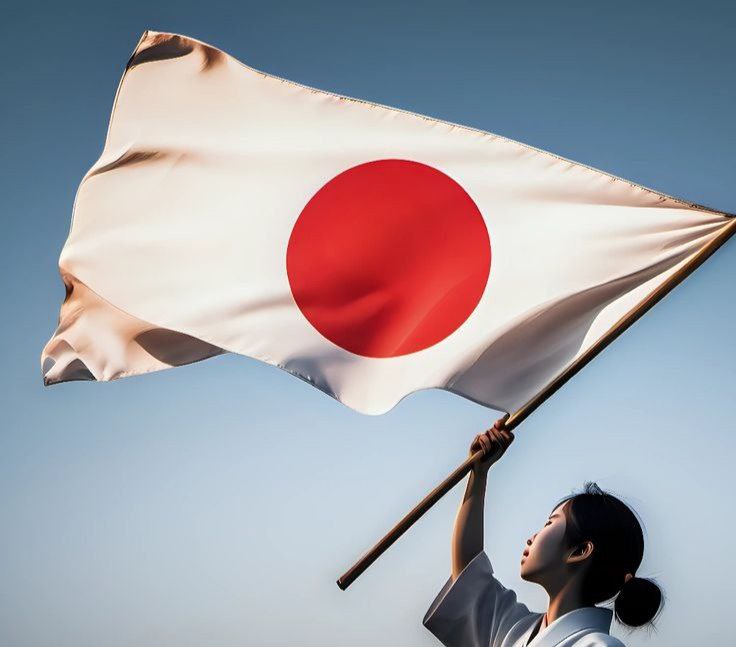
ជនជាតិជប៉ុនត្រូវបានពិភពលោកទាំងមូលទទួលស្គាល់ និងកោតសរសើរចំពោះគុណតម្លៃ និងវិន័យខ្ពស់ក្នុងការរស់នៅ។ ខាងក្រោមនេះគឺជាចំណុចវិជ្ជមានសំខាន់ៗដែលជាអត្តសញ្ញាណដ៏ឆ្នើមរបស់ជនជាតិជប៉ុន៖
១. វិន័យ និងការគោរពពេលវេលា (Discipline and Punctuality)
វិន័យគឺជាគ្រឹះដ៏រឹងមាំបំផុតរបស់សង្គមជប៉ុន។ ពួកគេមានភាពហ្មត់ចត់បំផុតចំពោះពេលវេលា ទោះបីជាការណាត់ជួបផ្ទាល់ខ្លួន ឬការងារក៏ដោយ។ ការយឺតយ៉ាវត្រូវបានចាត់ទុកថាជាការមិនគោរពដល់អ្នកដទៃ។ ភាពជាក់លាក់នៃប្រព័ន្ធដឹកជញ្ជូនសាធារណៈរបស់ជប៉ុន គឺជាភស្តុតាងដែលបង្ហាញពីការយកចិត្តទុកដាក់ខ្ពស់លើចំណុចនេះ។
២. ភាពថ្លៃថ្នូរ និងការគិតគូរដល់អ្នកដទៃ (Omotenashi)
ជនជាតិជប៉ុនប្រកាន់ខ្ជាប់នូវស្មារតី "Omotenashi" ដែលមានន័យថាការបម្រើ ឬការទទួលភ្ញៀវដោយអស់ពីចិត្ត។ ពួកគេតែងតែគិតគូរពីផាសុកភាពរបស់អ្នកដទៃជាមុន ដោយចៀសវាងការបង្កផលរំខានក្នុងទីសាធារណៈ ដូចជាការមិននិយាយទូរស័ព្ទឮៗលើរថភ្លើង និងការរក្សារបៀបរៀបរយជានិច្ច។
៣. ភាពស្មោះត្រង់ និងសុចរិតភាព (Honesty and Integrity)
ជប៉ុនគឺជាប្រទេសដែលមានអត្រាឧក្រិដ្ឋកម្មទាប និងមានកម្រិតសុវត្ថិភាពខ្ពស់បំផុតមួយក្នុងពិភពលោក។ ភាពស្មោះត្រង់ត្រូវបានដុះខាត់តាំងពីកុមារភាព។ ប្រសិនបើអ្នកភ្លេចរបស់របរនៅទីសាធារណៈ លទ្ធភាពដែលអ្នកនឹងទទួលបានមកវិញគឺខ្ពស់ណាស់ ព្រោះអ្នកដែលរើសបាននឹងយកទៅប្រគល់ជូនប៉ូលីស ឬដាក់ទុកនៅកន្លែងដែលមានសុវត្ថិភាពដើម្បីឱ្យម្ចាស់មកយកវិញ។
៤. ការយកចិត្តទុកដាក់លើគុណភាព និងភាពហ្មត់ចត់ (Kaizen)
ទស្សនវិជ្ជា "Kaizen" ឬការកែលម្អជាបន្តបន្ទាប់ ត្រូវបានអនុវត្តគ្រប់វិស័យ ចាប់ពីសិប្បកម្មរហូតដល់បច្ចេកវិទ្យាឧស្សាហកម្ម។ ជនជាតិជប៉ុនធ្វើការងារដោយផ្ចិតផ្ចង់ និងយកចិត្តទុកដាក់បំផុតលើព័ត៌មានលម្អិត (Attention to detail) ដើម្បីធានាថាផលិតផល ឬសេវាកម្មរបស់ពួកគេមានគុណភាពល្អឥតខ្ចោះ។
៥. ស្មារតីសាមគ្គីភាព និងការងារក្រុម (Teamwork)
នៅក្នុងសង្គមជប៉ុន ផលប្រយោជន៍រួមត្រូវបានផ្តល់អាទិភាពខ្ពស់ជាងផលប្រយោជន៍បុគ្គល។ ពួកគេយល់ឃើញថា ភាពជោគជ័យធំធេងកើតចេញពីការសហការគ្នា មិនមែនកើតចេញពីបុគ្គលតែម្នាក់នោះទេ។ ស្មារតីនេះធ្វើឱ្យពួកគេអាចឆ្លងកាត់រាល់វិបត្តិគ្រោះធម្មជាតិធំៗបានយ៉ាងឆាប់រហ័ស និងមានសណ្តាប់ធ្នាប់។
៦. ការរក្សានូវអនាម័យខ្ពស់ (Cleanliness)
ការស្រឡាញ់អនាម័យគឺជាទម្លាប់ដែលបណ្តុះចេញពីសាលារៀន។ សិស្សានុសិស្សជប៉ុនត្រូវបានបង្រៀនឱ្យសម្អាតថ្នាក់រៀន និងបរិវេណសាលាដោយផ្ទាល់ដៃ។ ទម្លាប់នេះបានធ្វើឱ្យទីក្រុងនានាក្នុងប្រទេសជប៉ុនមានភាពស្អាតស្អំ និងគ្មានសំរាម ទោះបីជាពេលខ្លះពិបាករកធុងសំរាមនៅតាមផ្លូវសាធារណៈក៏ដោយ។
សេចក្តីសន្និដ្ឋាន
ចំណុចល្អៗទាំងនេះមិនត្រឹមតែធ្វើឱ្យប្រទេសជប៉ុនក្លាយជាមហាអំណាចសេដ្ឋកិច្ចនោះទេ ប៉ុន្តែវាបានធ្វើឱ្យមនុស្សជាតិជុំវិញពិភពលោកគោរពស្រឡាញ់ដល់វប្បធម៌ និងការរស់នៅរបស់ពួកគេ។ ការរៀនសូត្រពីវិន័យ និងការផ្តល់តម្លៃដល់អ្នកដទៃរបស់ជនជាតិជប៉ុន គឺជាមេរៀនដ៏មានតម្លៃសម្រាប់គ្រប់សង្គមជាតិ។
Good points of the Japanese
The Japanese are recognized and admired worldwide for their high values and discipline in life. Here are some of the main positive aspects that are the hallmarks of the Japanese people:
1. Discipline and Punctuality
Discipline is the strongest foundation of Japanese society. They are very strict about time, whether it is for personal or work appointments. Being late is considered disrespectful to others. The punctuality of Japan's public transportation system is evidence of this high level of attention to this point.
2. Omotenashi
The Japanese adhere to the spirit of "Omotenashi", which means serving or welcoming guests wholeheartedly. They always consider the comfort of others first, avoiding causing a disturbance in public places, such as not talking on the phone loudly on the train and always maintaining order.
3. Honesty and Integrity
Japan is a country with a low crime rate and one of the highest safety levels in the world. Honesty is instilled from childhood. If you forget something in public, the chances of it being returned are high, as the person who picked it up will either hand it over to the police or leave it in a safe place for the owner to retrieve.
4. Attention to Quality and Care (Kaizen)
The philosophy of "Kaizen" or continuous improvement is practiced in all fields, from handicrafts to industrial technology. The Japanese work with great care and attention to detail to ensure that their products or services are of perfect quality.
5. Teamwork and Solidarity
In Japanese society, the common good is given priority over individual interests. They believe that great success comes from working together, not from one person. This spirit has enabled them to overcome major natural disasters quickly and in an orderly manner.
6. Cleanliness
A love of cleanliness is a habit that is instilled in schools. Japanese students are taught to clean their classrooms and school grounds by hand. This habit has made cities in Japan clean and litter-free, although it is sometimes difficult to find trash cans on public streets.
Conclusion
These good points not only make Japan an economic powerhouse, but they have made people around the world respect and love their culture and way of life. Learning from the discipline and valuing others of the Japanese is a valuable lesson for all societies.





Comments