

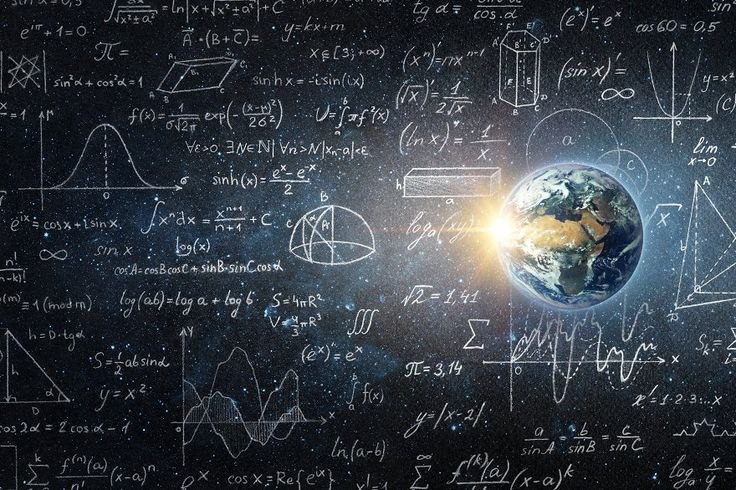
គណិតវិទ្យាមិនមែនត្រឹមតែជាលេខ ឬរូបមន្តដែលយើងរៀននៅក្នុងថ្នាក់រៀននោះទេ ប៉ុន្តែវាគឺជាគ្រឹះដ៏សំខាន់ដែលជ្រាបចូលទៅក្នុងគ្រប់ទិដ្ឋភាពនៃជីវភាពរស់នៅប្រចាំថ្ងៃរបស់មនុស្សជាតិ។ ចាប់តាំងពីការរស់នៅបែបសាមញ្ញ រហូតដល់ការវិវត្តនៃបច្ចេកវិទ្យាខ្ពស់ គណិតវិទ្យាតែងតែដើរតួនាទីយ៉ាងសកម្ម។
ខាងក្រោមនេះគឺជាឥទ្ធិពលសំខាន់ៗនៃគណិតវិទ្យាចំពោះជីវភាពរស់នៅ៖
១. ការគ្រប់គ្រងហិរញ្ញវត្ថុ និងសេដ្ឋកិច្ចគ្រួសារ
គណិតវិទ្យាជួយឱ្យយើងចេះរៀបចំផែនការចំណាយ និងចំណូលបានត្រឹមត្រូវ។ ការគណនាថ្លៃទំនិញ ការគិតភាគរយបញ្ចុះតម្លៃ ការយល់ដឹងពីអត្រាការប្រាក់ធនាគារ និងការសន្សំសំចៃ សុទ្ធតែទាមទារនូវចំណេះដឹងគណិតវិទ្យាជាមូលដ្ឋាន។ បើគ្មានវាទេ យើងនឹងជួបការលំបាកក្នុងការគ្រប់គ្រងកញ្ចប់ថវិកាឱ្យមានតុល្យភាព។
២. ការអភិវឌ្ឍជំនាញដោះស្រាយបញ្ហា និងការគិតបែបវិទ្យាសាស្ត្រ
ការសិក្សាគណិតវិទ្យាជួយបង្ហាត់ខួរក្បាលឱ្យមានភាពរហ័សរហួន និងចេះវិភាគបញ្ហាដោយសមហេតុផល។ វារួមចំណែកក្នុងការ៖
- ការគិតបែបតក្កវិជ្ជា (Logic): ជួយឱ្យយើងចេះវែកញែករកខុសត្រូវ និងផលវិបាក។
- ការដោះស្រាយបញ្ហា: បង្រៀនយើងឱ្យចេះបំបែកបញ្ហាធំៗ ឱ្យទៅជាផ្នែកតូចៗដើម្បីងាយស្រួលដោះស្រាយ។
៣. ក្នុងវិស័យការងារ និងបច្ចេកវិទ្យា
ស្ទើរតែគ្រប់ជំនាញវិជ្ជាជីវៈទាំងអស់សុទ្ធតែត្រូវការគណិតវិទ្យា៖
- វិស្វកម្ម និងស្ថាបត្យកម្ម: ត្រូវការគណនាជម្រៅ ផ្ទៃក្រឡា និងកម្លាំងទ្រទ្រង់ ដើម្បីសាងសង់ផ្ទះ ស្ពាន និងផ្លូវថ្នល់ឱ្យមានសុវត្ថិភាព។
- បច្ចេកវិទ្យាព័ត៌មាន: កម្មវិធីទូរស័ព្ទ កុំព្យូទ័រ និងប្រព័ន្ធអ៊ីនធឺណិតដែលយើងប្រើប្រាស់រាល់ថ្ងៃ សុទ្ធតែបង្កើតឡើងដោយកូដ និងអាល់ហ្គោរីត (Algorithms) ដែលមានមូលដ្ឋានពីគណិតវិទ្យា។
- វេជ្ជសាស្ត្រ: ការកំណត់កម្រិតថ្នាំសម្រាប់អ្នកជំងឺ និងការវិភាគទិន្នន័យសុខភាព។
៤. ការគ្រប់គ្រងពេលវេលា
ការយល់ដឹងពីលេខ និងរង្វាស់រង្វាល់ ជួយឱ្យយើងគ្រប់គ្រងពេលវេលាបានច្បាស់លាស់។ យើងប្រើគណិតវិទ្យាដើម្បីគណនារយៈពេលធ្វើដំណើរ ការកំណត់ម៉ោងធ្វើការ និងការរៀបចំកាលវិភាគប្រចាំថ្ងៃឱ្យមានប្រសិទ្ធភាព។
ជារួម គណិតវិទ្យាគឺជា "ភាសាសកល" ដែលជួយឱ្យមនុស្សយល់ដឹងពីពិភពលោកជុំវិញខ្លួនកាន់តែច្បាស់។ វាបង្កើនភាពវៃឆ្លាត ជួយឱ្យការរស់នៅមានសណ្តាប់ធ្នាប់ និងជាក្បាលម៉ាស៊ីនរុញច្រានការរីកចម្រើននៃសង្គមជាតិទាំងមូល។
What impact does mathematics have on people's lives?
Mathematics is not just numbers or formulas that we learn in the classroom, but it is an important foundation that permeates all aspects of human daily life. From simple living to the development of high technology, mathematics has always played an active role.
Here are the main effects of mathematics on life:
1. Financial management and family economics
Mathematics helps us to plan our expenses and income properly. Calculating the cost of goods, calculating discount percentages, understanding bank interest rates, and saving money all require basic mathematical knowledge. Without it, we will have difficulty managing our budget in a balanced way.
2. Developing problem-solving skills and scientific thinking
Studying mathematics helps train our brain to be agile and able to analyze problems rationally. It contributes to:
- Logical thinking (Logic): Helps us to reason out the reasons and consequences.
- Problem solving: Teaches us to break down large problems into smaller parts for easier resolution.
3. In the field of work and technology
Almost every profession requires mathematics:
- Engineering and architecture: Need to calculate the depth, area and supporting strength to build houses, bridges and roads safely.
- Information technology: The mobile apps, computers and internet systems we use every day are all built on codes and algorithms based on mathematics.
- Medicine: Determining the dosage of medicines for patients and analyzing health data.
4. Time management
Understanding numbers and measurements helps us manage time clearly. We use mathematics to calculate travel times, set work hours and organize daily schedules effectively.
In short, mathematics is a "universal language" that helps people understand the world around them more clearly. It increases intelligence, helps to live in order and is the engine that drives the progress of the entire national society.





Comments