

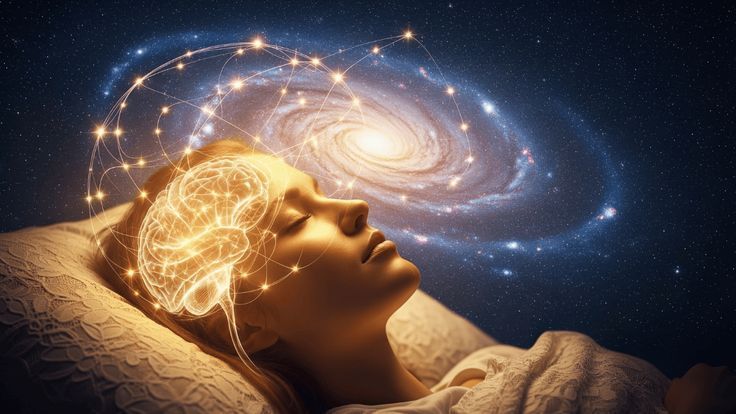
ការយល់សប្តិគឺជាបាតុភូតផ្លូវចិត្តដ៏ស្មុគស្មាញមួយ ដែលបានទាក់ទាញការចាប់អារម្មណ៍ពីសំណាក់អ្នកវិទ្យាសាស្ត្រ និងទស្សនវិទូអស់រយៈពេលរាប់សតវត្សមកហើយ។ ទោះបីជាបច្ចេកវិទ្យាវេជ្ជសាស្ត្រមានការរីកចម្រើនយ៉ាងណាក៏ដោយ ក៏មូលហេតុពិតប្រាកដនៃការយល់សប្តិនៅតែជាប្រធានបទដែលត្រូវបានគេជជែកដេញដោល និងសិក្សាបន្ត។
ខាងក្រោមនេះគឺជាមូលហេតុចម្បងៗដែលបណ្តាលឱ្យមានការយល់សប្តិ ផ្អែកតាមទស្សនៈវិទ្យាសាស្ត្រ និងចិត្តវិទ្យា៖
១. មូលដ្ឋានគ្រឹះនៃដំណាក់កាល REM (Rapid Eye Movement)
ការយល់សប្តិភាគច្រើនកើតឡើងនៅក្នុងដំណាក់កាល REM ដែលជាដំណាក់កាលនៃដំណេកស្កប់ និងមានចលនាភ្នែកលឿន។ នៅក្នុងដំណាក់កាលនេះ ខួរក្បាលមានសកម្មភាពខ្លាំង (ជិតស្មើនឹងពេលយើងភ្ញាក់) ដែលបណ្តាលឱ្យមានការបង្កើតរូបភាព និងសាច់រឿងផ្សេងៗនៅក្នុងចិត្ត។
២. ការរៀបចំ និងផ្ទុកព័ត៌មាន (Information Processing)
ទ្រឹស្តីឈានមុខគេមួយបានលើកឡើងថា ការយល់សប្តិគឺជាដំណើរការនៃ "ការសម្អាត និងរៀបចំទិន្នន័យ" របស់ខួរក្បាល។ វាជួយក្នុងផ្នែក៖
- ការចងចាំ៖ ខួរក្បាលរៀបចំចងក្រងព្រឹត្តិការណ៍ដែលបានកើតឡើងក្នុងថ្ងៃនោះ ទុកដាក់អ្វីដែលសំខាន់ និងលុបចោលអ្វីដែលមិនចាំបាច់។
- ការរៀនសូត្រ៖ ជួយពង្រឹងជំនាញថ្មីៗដែលយើងបានរៀនតាមរយៈការ "ហាត់សម" នៅក្នុងសុបិន។
៣. ការគ្រប់គ្រងអារម្មណ៍ (Emotional Regulation)
សុបិនដើរតួជា "ការព្យាបាលតាមបែបចិត្តសាស្ត្រ"។ វាអនុញ្ញាតឱ្យខួរក្បាលដំណើរការនូវអារម្មណ៍ស្មុគស្មាញ ដូចជាភាពភ័យខ្លាច ការឈឺចាប់ ឬភាពរីករាយ នៅក្នុងបរិយាកាសមួយដែលមានសុវត្ថិភាព។ នេះជាមូលហេតុដែលយើងជួបប្រទះនូវព្រឹត្តិការណ៍ក្នុងសុបិន ដែលមានលក្ខណៈប្រហាក់ប្រហែលនឹងស្ថានភាពផ្លូវចិត្តជាក់ស្តែងរបស់យើង។
៤. ការដោះស្រាយបញ្ហា និងភាពច្នៃប្រឌិត (Problem Solving)
នៅពេលយើងដេក ខួរក្បាលមិនត្រូវបានកម្រិតដោយច្បាប់តក្កវិជ្ជានៃពិភពពិតនោះទេ។ នេះអនុញ្ញាតឱ្យខួរក្បាលបង្កើតនូវការតភ្ជាប់ថ្មីៗ ដែលអាចនាំទៅរកការដោះស្រាយបញ្ហា ឬគំនិតច្នៃប្រឌិតដែលយើងមិនអាចនឹកឃើញនៅពេលភ្ញាក់។
៥. កត្តាខាងក្រៅ និងសុខភាពរាងកាយ
ក្រៅពីយន្តការខួរក្បាល ការយល់សប្តិក៏អាចរងឥទ្ធិពលពី៖
- អាហារ និងថ្នាំសង្កូវ៖ ការញ៉ាំអាហារច្រើនមុនចូលគេង ឬការប្រើប្រាស់ថ្នាំមួយចំនួន។
- សុខភាពផ្លូវចិត្ត៖ ភាពតានតឹង (Stress) និងការថប់បារម្ភ (Anxiety) អាចបណ្តាលឱ្យមានសុបិនអាក្រក់។
- បរិយាកាសជុំវិញ៖ សំឡេង ឬសីតុណ្ហភាពក្នុងបន្ទប់គេង ក៏អាចជ្រាបចូលទៅក្នុងសាច់រឿងនៃសុបិនផងដែរ។
សេចក្តីសន្និដ្ឋាន៖ ការយល់សប្តិមិនមែនគ្រាន់តែជារូបភាពឥតន័យនោះទេ ប៉ុន្តែវាគឺជាយន្តការដ៏សំខាន់មួយសម្រាប់សុខភាពខួរក្បាល និងតុល្យភាពផ្លូវចិត្ត។ វាគឺជាការរួមបញ្ចូលគ្នារវាងការរៀបចំទិន្នន័យ ការព្យាបាលអារម្មណ៍ និងការបញ្ចេញភាពច្នៃប្រឌិត។
What is the true source of dreams?
Dreaming is a complex psychological phenomenon that has fascinated scientists and philosophers for centuries. Despite advances in medical technology, the exact cause of dreaming is still a subject of debate and ongoing study.
Here are the main causes of dreaming, according to scientific and psychological perspectives:
1. The basics of REM (Rapid Eye Movement)
Most dreams occur during REM, a deep sleep stage with rapid eye movement. During this stage, the brain is very active (almost as active as when we are awake), which results in the creation of images and stories in the mind.
2. Information Processing
A leading theory suggests that dreaming is a process of "cleaning and organizing data" by the brain. It helps in:
- Memory: The brain organizes the events of the day, keeping what is important and discarding what is not.
- Learning: Helps reinforce new skills that we have learned by "rehearsing" them in our dreams.
3. Emotional Regulation
Dreams act as a “psychological therapy.” They allow the brain to process complex emotions such as fear, pain, or joy in a safe environment. This is why we experience dream events that are similar to our actual mental states.
4. Problem Solving and Creativity
When we sleep, the brain is not constrained by the logical rules of the real world. This allows the brain to form new connections that can lead to problem-solving or creative ideas that we cannot think of when awake.
5. External Factors and Physical Health
In addition to brain mechanisms, dreams can also be influenced by:
- Food and Medications: Eating a large meal before bed or taking certain medications.
- Mental Health: Stress and anxiety can cause nightmares.
- Ambient Environment: The noise or temperature in the bedroom can also permeate the plot of dreams.
Conclusion: Dreams are not just meaningless images, but are an important mechanism for brain health and mental balance. It is a combination of data manipulation, emotional healing, and creative expression.





Comments